Technology continues to transform the way people communicate, work, study, exercise, and enjoy entertainment. From powerful smartphones and high-performance laptops to wireless earbuds, smartwatches, and innovative wearable devices, modern gadgets have become essential parts of everyday life. However, with so many products available, choosing the right device can be challenging. This is where reliable gadget and tech reviews become valuable, helping consumers understand product features, compare available options, and make informed purchasing decisions.
A good technology review goes beyond listing specifications. It examines real-world performance, usability, design, battery life, durability, compatibility, and overall value. Whether someone is searching for a new smartphone, a laptop for professional tasks, or a wearable accessory for everyday convenience, understanding these factors can make the buying process easier.
Smart accessories are also gaining attention as manufacturers introduce new ways to monitor activity, improve productivity, and connect digital devices. Products such as smart rings demonstrate how technology is becoming smaller, more portable, and increasingly integrated into daily routines.
Why Gadget and Tech Reviews Matter
Technology products can look impressive in advertisements, but their actual performance depends on several factors. Reviews help buyers distinguish between marketing claims and practical benefits.
Understanding Product Specifications
Specifications provide an overview of what a device offers. For smartphones, important specifications include processor performance, camera quality, display resolution, battery capacity, and software support. Laptop buyers often focus on processing power, memory, storage, screen quality, and portability.
For smart accessories, the most relevant specifications depend on the product category. Wireless earbuds may be evaluated according to sound quality, noise cancellation, and battery life. Smart rings may be assessed by their sensors, comfort, application features, and charging requirements.
A useful review explains what these specifications mean in everyday situations rather than simply repeating technical numbers.
Comparing Price and Performance
An expensive device is not always the best option for every buyer. Some affordable gadgets provide excellent performance for ordinary activities, while premium products may include specialized features that certain users rarely need.
Technology reviews help readers compare products within similar price ranges. They can identify which features justify a higher price and which alternatives provide better overall value.
Budget-conscious buyers should consider long-term usability, warranty coverage, software updates, and replacement costs in addition to the initial purchase price.
Smartphone Reviews: Choosing the Right Mobile Device
Smartphones are among the most frequently used electronic devices. People rely on them for communication, navigation, photography, entertainment, online learning, and professional tasks. Selecting a suitable smartphone requires balancing performance, convenience, and affordability.
Performance and Processing Power
A smartphone’s processor influences how smoothly applications operate. Users who frequently switch between applications, edit photographs, play demanding games, or record high-resolution videos may benefit from a powerful processor.
For everyday activities such as messaging, browsing, video calls, and social media, a midrange smartphone may provide sufficient performance. Memory also affects multitasking, while storage capacity determines how many applications, photographs, and videos a device can retain.
Reviews should evaluate practical responsiveness instead of relying exclusively on benchmark scores.
Camera Quality and Photography Features
Camera performance remains a major consideration for smartphone buyers. Modern devices offer multiple lenses, portrait modes, night photography, optical image stabilization, and computational photography features.
However, a higher megapixel count does not automatically guarantee better photographs. Image processing, sensor size, lens quality, stabilization, and low-light performance can significantly affect results.
A comprehensive review considers photographs captured in different lighting conditions and evaluates whether the camera produces consistent results. Video stabilization, microphone quality, and front-facing camera performance may also matter to content creators and people who regularly make video calls.
Battery Life and Charging
Battery performance determines how conveniently a smartphone fits into a user’s routine. A device with efficient power management can remain useful throughout a busy day, while demanding applications may consume energy more quickly.
Reviews should consider screen-on time, standby performance, charging speed, and the effect of intensive activities on battery consumption.
Fast charging can be convenient, but buyers should also consider charger compatibility and manufacturer recommendations for battery care.
Software Updates and Security
Software support is an important part of smartphone ownership. Regular updates can introduce features, fix bugs, and address security vulnerabilities.
Before purchasing a device, buyers should check its operating system, update policy, application compatibility, and available security features. A phone that receives dependable updates may remain useful for longer than a device with limited software support.
Laptop Reviews: Finding the Best Device for Work and Study
Laptops serve students, office professionals, entrepreneurs, designers, programmers, and entertainment enthusiasts. The ideal model depends on how it will be used.
Processor, Memory, and Storage
The processor determines how efficiently a laptop handles different workloads. Basic office tasks, web browsing, and document editing generally require less processing power than advanced video editing, software development, or complex design applications.
Memory, commonly called RAM, supports multitasking. Buyers who work with many browser tabs or several demanding applications should consider their memory requirements carefully.
Storage also affects the experience. Solid-state drives generally offer faster startup times and quicker file access than traditional mechanical hard drives.
Reviews should explain how these components work together instead of treating every specification as an independent measure of quality.
Display Quality and Portability
Laptop displays influence comfort during extended working sessions. Screen resolution, brightness, color reproduction, viewing angles, and refresh rate are all worth evaluating.
People who frequently travel may prefer a lightweight laptop with a compact design and reliable battery life. Users working with photographs, videos, or graphic design may prioritize display accuracy and screen size.
Keyboard comfort, trackpad responsiveness, webcam quality, and port availability also influence everyday usability. These details can make a substantial difference even when two laptops have similar internal specifications.
Battery Performance and Cooling
Laptop battery life varies according to screen brightness, workload, power settings, and battery condition. Manufacturers’ advertised figures may not reflect typical usage, so independent testing can provide additional context.
Cooling is another important factor. Some laptops maintain performance under heavy workloads more effectively than others. Excessive fan noise or heat may affect comfort, especially during extended work sessions.
A reliable review considers performance, temperature, noise, and battery consumption together.
Smart Accessories: Small Devices With Useful Features
Smart accessories expand the capabilities of smartphones, tablets, and laptops. These products include wireless earbuds, smartwatches, fitness trackers, portable chargers, smart rings, and connected home devices.
Their usefulness depends on how well they solve everyday problems.
Wireless Earbuds and Headphones
Wireless audio products offer convenient listening for commuting, studying, exercising, and making calls. Important evaluation criteria include sound balance, microphone clarity, comfort, connection stability, and battery performance.
Active noise cancellation can reduce certain surrounding sounds, while transparency modes help users remain aware of their surroundings. Not every buyer needs premium audio features, so comparing products according to intended use is more helpful than automatically choosing the most expensive model.
Smartwatches and Fitness Trackers
Smartwatches combine notifications, activity tracking, timers, and other smartphone-connected features. Fitness trackers generally focus more closely on movement, exercise, and selected wellness measurements.
Before buying one, consumers should investigate operating-system compatibility, sensor capabilities, battery life, water-resistance ratings, and application requirements.
Health-related measurements should be interpreted carefully. Consumer wearables can provide useful estimates, but their readings are not necessarily equivalent to measurements from professional medical equipment.
Smart Rings and Compact Wearable Technology
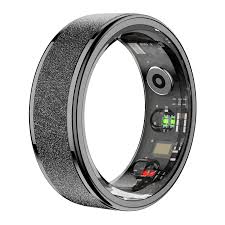
Smart rings offer another approach to wearable technology. Instead of using a wrist-worn device, these compact accessories place selected sensors inside a ring-shaped design.
Depending on the model, smart rings may offer features related to heart-rate monitoring, sleep tracking, daily activity, and other wellness indicators. Their small size can make them convenient for people who prefer minimal accessories.
Comfort, sizing, sensor performance, battery life, application quality, and compatibility should all be considered before choosing a smart ring.
Exploring the Colmi R10 Smart Ring UK Market
Consumers researching the Colmi R10 smart ring UK market may be interested in an accessible entry point into wearable technology. When evaluating this product or similar smart rings, buyers should focus on verified specifications, available functions, sizing options, and compatibility with their smartphones.
A smart ring’s practical value depends on more than its appearance. Users should investigate whether the device supports the measurements they actually want, how its companion application presents information, and whether the product offers a comfortable fit for regular wear.
Features Worth Checking Before Buying
The first step is to confirm the exact model and its specifications through a reliable seller or manufacturer source. Product names and features can vary across listings, making verification particularly important when shopping online.
Consider the following factors:
- Sensor capabilities: Check which measurements are supported and whether they are available continuously or only under specific conditions.
- Heart-rate monitoring: Determine how readings are collected, displayed, and interpreted by the companion application.
- Sleep tracking: Review which sleep-related indicators are offered and understand that estimates may not always be precise.
- Battery performance: Look for realistic information about charging frequency and expected usage.
- Sizing and comfort: Confirm available sizes and follow the manufacturer’s sizing guidance before ordering.
- Application compatibility: Check whether the ring works with your smartphone’s operating system and whether an application account is required.
- Privacy: Review what personal information the application collects and how its privacy policy describes data handling.
These checks help consumers evaluate a product based on practical needs instead of promotional descriptions.
Is a Budget Smart Ring With Heart Rate Tracking Worth Considering?
A budget smart ring with heart rate tracking may appeal to people who want to explore wearable technology without spending as much as they might on a premium smartwatch.
The potential advantages include a compact design, convenient access to selected measurements, and fewer distractions than a screen-equipped wearable. Some users may also prefer a ring because it does not require wearing a watch throughout the day.
Nevertheless, affordability involves trade-offs. Lower-priced products may provide fewer software features, less detailed data analysis, shorter support periods, or less consistent sensor performance than established alternatives.
Heart-rate measurements should therefore be evaluated in context. Readings can be affected by movement, sensor placement, fit, skin contact, and individual differences. A smart ring should not be treated as a substitute for medical assessment or emergency monitoring.
Buyers should also check whether features advertised by a seller are genuinely available on the exact model. Independent reviews, clear return policies, warranty information, and recent customer feedback can help reduce uncertainty.
Portable Chargers and Other Everyday Accessories
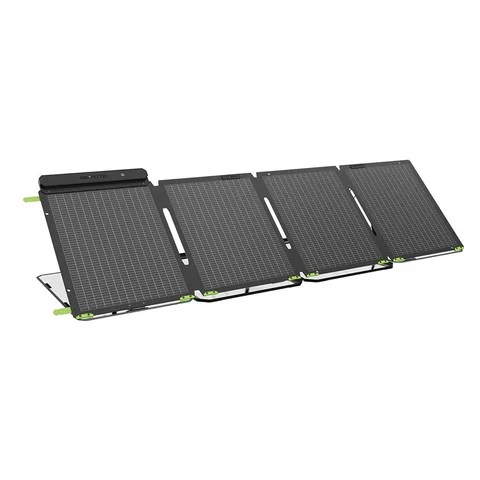
Portable chargers are useful for people who spend significant time away from power outlets. When reviewing a power bank, buyers should compare its capacity, charging speed, connector types, dimensions, and supported charging standards.
A larger capacity can provide more stored energy, but it may also increase the product’s size and weight. Compatibility matters because not every charger supports the fastest charging modes offered by every smartphone.
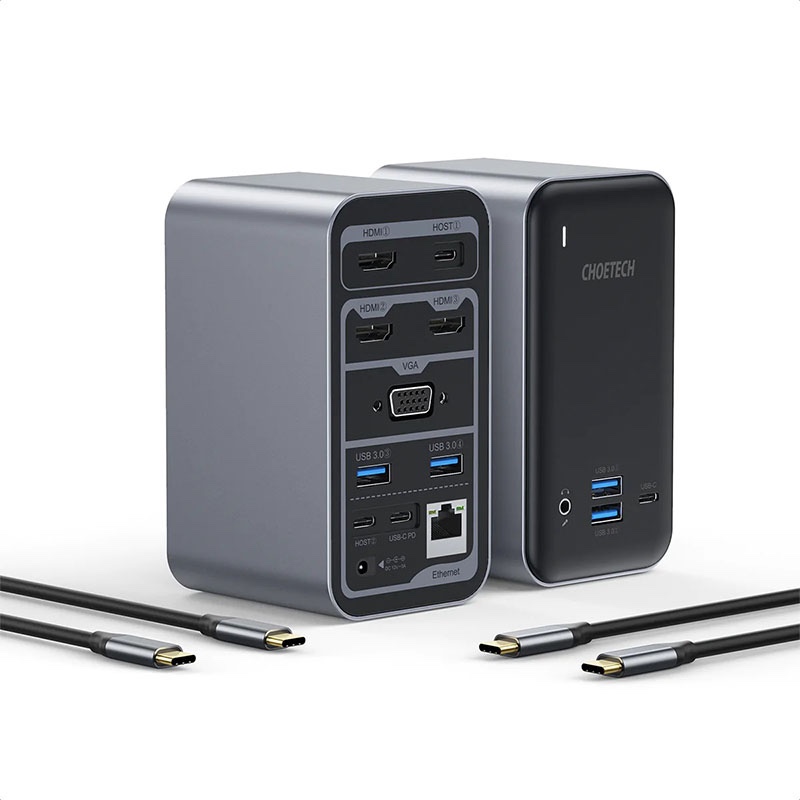
Other useful accessories include laptop stands, USB hubs, protective cases, external storage drives, and wireless charging pads. The best accessory is one that addresses a real need without creating unnecessary expense or clutter.
How to Evaluate a Technology Review Properly
Not all reviews provide the same level of detail or reliability. Readers should look for evidence, clear testing methods, balanced observations, and transparent recommendations.
Look for Real-World Testing
A strong review explains how the product performs during normal use. For example, a smartphone review may examine battery consumption during video playback, while a laptop review may discuss performance during multitasking.
For wearable devices, reviews should explain the conditions under which measurements were taken and identify possible limitations.
Specific examples are generally more informative than broad claims that a product is excellent or disappointing.
Compare Multiple Independent Sources
One review may overlook a problem or emphasize a feature that is irrelevant to a particular buyer. Reading several independent assessments can reveal recurring strengths and weaknesses.
Customer feedback can also provide useful information about durability, sizing, customer service, and long-term reliability. However, individual reviews may reflect unusual experiences or misunderstandings, so patterns across multiple sources are more meaningful.
Distinguish Advertising From Independent Opinions
Some technology websites receive products from manufacturers, publish sponsored articles, or earn commissions through affiliate links. These arrangements do not automatically make a review unreliable, but transparency is important.
Readers should check whether a publication explains its commercial relationships and whether its conclusions are supported by testing.
A trustworthy review acknowledges limitations rather than presenting every product as the ideal choice.
Important Buying Mistakes to Avoid
Technology purchases become easier when buyers establish their priorities before comparing products.
One common mistake is paying for specifications that will rarely be used. A professional-grade laptop may be unnecessary for basic schoolwork, while a simple smartwatch may be more practical than a feature-rich model for someone who only wants notifications.
Another mistake is overlooking compatibility. Smart rings, earbuds, and other accessories may require particular operating systems, applications, or charging equipment.
Buyers should also consider durability, software support, repair options, and warranty terms. A low initial price may not represent the best long-term value if replacement parts are difficult to obtain.
Finally, avoid relying entirely on advertisements, influencer recommendations, or a single customer rating. A balanced assessment should combine specifications, independent testing, practical needs, and budget.
The Future of Gadget and Technology Innovation
Technology development continues to introduce improvements in artificial intelligence, mobile computing, battery efficiency, wireless connectivity, and wearable sensors.
Smartphones are gaining more advanced computational photography and AI-assisted features. Laptops are becoming increasingly capable of handling demanding applications while offering improved portability. Wearable devices are exploring more convenient ways to collect and organize personal activity data.
Smart rings represent one part of this broader shift toward compact, connected technology. As sensors and software develop, these products may offer more useful insights and improved integration with other devices.
However, innovation also raises questions about privacy, accuracy, sustainability, and electronic waste. Consumers should evaluate new features according to their actual usefulness rather than assuming that every technological advancement provides meaningful benefits.
Long-lasting products, dependable software support, repairability, and responsible data practices will remain important considerations.
Conclusion
Choosing the right technology requires more than comparing prices or selecting the device with the highest specifications. Reliable gadget and tech reviews help consumers understand real-world performance, identify useful features, and recognize limitations before making a purchase.
Smartphones should be evaluated according to camera quality, battery life, software support, and everyday responsiveness. Laptop reviews should consider performance, display quality, portability, cooling, and reliability. Smart accessories deserve equal attention to comfort, compatibility, charging, and practical usefulness.
For consumers exploring the Colmi R10 smart ring UK market or searching for a budget smart ring with heart rate tracking, careful research is especially valuable. Checking verified specifications, sensor capabilities, sizing, application compatibility, and warranty conditions can help identify a suitable product.
Ultimately, the best gadget is not necessarily the newest, most expensive, or most heavily advertised option. It is the device that meets your needs, fits your budget, works reliably, and provides lasting value. By combining thoughtful research with trustworthy technology reviews, buyers can make more confident decisions in an increasingly connected world.