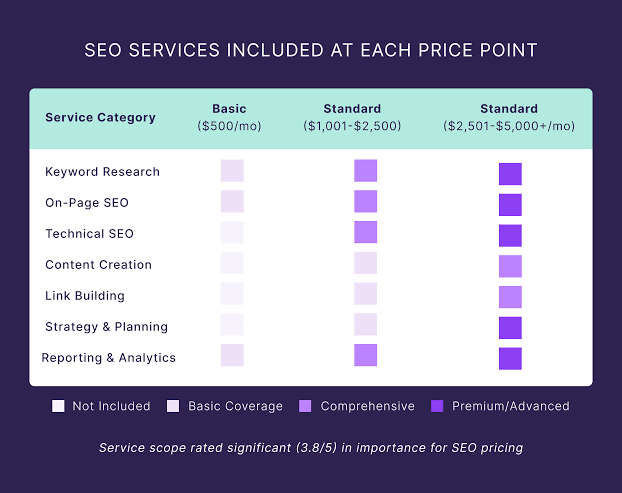
Search engine optimization is one of the most valuable strategies for businesses that want to increase online visibility, attract qualified visitors, and build long-term growth. However, one question often comes up before starting an SEO campaign: how much should seo services pricing SEO services cost? The answer is not always straightforward because SEO pricing depends on several factors, including business goals, website size, competition, services required, and the experience of the provider.
Understanding what influences SEO services pricing can help businesses make informed decisions and choose an SEO investment that matches their objectives. Instead of focusing only on the cheapest option, companies should consider the potential value, quality, and sustainability of the work being provided.
What Determines SEO Services Pricing?
SEO is not a single activity. It involves multiple processes designed to improve different aspects of a website and its presence in search engines. Because every business has different needs, providers may structure their pricing in various ways.
Some agencies offer monthly packages, while others charge project-based fees or hourly rates. The scope of work is usually the biggest factor behind the final cost.
A small local business with a limited website may require a simpler campaign than a large e-commerce company with thousands of pages. Similarly, a website operating in a highly competitive industry may need more extensive optimization and content development.
Website Size and Complexity
The size and technical complexity of a website can significantly influence SEO costs. A small website with a few important pages is generally easier to audit and optimize than a large website with hundreds or thousands of URLs.
E-commerce websites can require additional attention because they often contain product pages, category pages, filters, duplicate content issues, and complicated navigation structures. SEO professionals may need to analyze these elements and create a strategy that helps search engines understand the site’s architecture.
Larger websites can therefore require more research, technical work, monitoring, and ongoing optimization.
Competition in Your Industry
Competition is another major factor in determining SEO investment. Ranking for a specific keyword may be relatively easy in one industry but extremely challenging in another.
If competitors have strong websites, established authority, extensive content, and numerous quality backlinks, a business may need a more comprehensive strategy to compete effectively.
Competitive SEO campaigns may involve deeper keyword research, stronger content strategies, technical improvements, digital PR, and ongoing authority building. This additional work can increase the overall cost of SEO services.
Business Goals and Target Keywords
The goals of a campaign also affect pricing. A business looking to improve visibility for a small group of local keywords may need a different approach from a company targeting national or international search results.
For example, local SEO may focus on location-based searches, business listings, reviews, local content, and regional relevance. National SEO can require broader keyword targeting and content strategies, while international SEO may involve multiple languages, countries, and search markets.
The more ambitious the goals, the more resources may be needed to achieve them.
Technical SEO Requirements
Technical SEO is an important part of website optimization. It focuses on elements that affect how search engines crawl, understand, and index a website.
Technical work can include improving site speed, fixing broken links, addressing indexing problems, optimizing site architecture, improving mobile usability, implementing structured data, and resolving duplicate content issues.
Some websites need only minor technical adjustments, while others may require extensive development work. When SEO specialists need to collaborate closely with developers, the project can become more resource-intensive.
Content Creation and Optimization
High-quality content plays an important role in modern SEO. Businesses often need informative blog posts, landing pages, product descriptions, guides, and other resources that address the needs of their target audience.
SEO pricing may increase when content creation is included in a package. The cost can depend on the amount of content required, the level of research involved, subject complexity, and editing requirements.
Existing content may also need optimization. This can involve improving headings, search intent alignment, internal links, keyword usage, readability, metadata, and overall usefulness.
A strong content strategy is not simply about publishing large quantities of articles. The goal is to create useful resources that genuinely support users and strengthen the website’s topical relevance.
Link Building and Authority Development
Backlinks can be another component of an SEO campaign. Quality links from relevant and trustworthy websites can help strengthen a site’s authority and visibility.
However, effective link building requires careful research and quality control. The cost may depend on the type of outreach, publications targeted, content involved, and number of links being pursued.
Businesses should be cautious about extremely cheap packages that promise hundreds or thousands of links without explaining their quality or relevance. A large number of low-quality links does not necessarily provide meaningful SEO value and can create unnecessary risks.
Experience and Expertise of the SEO Provider
The experience and expertise of an SEO provider can also influence pricing. Professionals with strong technical knowledge, strategic skills, and experience working with complex websites may charge more than inexperienced providers.
A reliable SEO professional should be able to explain the reasoning behind recommendations, identify opportunities, analyze performance, and adjust strategies when circumstances change.
Businesses should evaluate expertise based on relevant experience, communication, transparency, and the quality of the proposed strategy rather than choosing a provider solely because of a low price.
Monthly SEO vs. One-Time Projects
SEO is often an ongoing process because search results, competitors, websites, and customer behavior continuously change. For this reason, many businesses choose monthly SEO services.
Monthly campaigns can include technical monitoring, content development, keyword tracking, link-building activities, reporting, and ongoing improvements.
One-time SEO projects can also be useful, particularly when a website needs an audit, technical review, migration support, or an initial optimization plan. However, ongoing campaigns may be more appropriate for businesses seeking sustained organic growth.
Reporting and Performance Tracking
Professional SEO services commonly include performance monitoring and reporting. Reports can help businesses understand how their website is progressing and where additional improvements may be needed.
Depending on the provider, reporting may cover organic traffic, keyword visibility, conversions, technical health, content performance, and other relevant metrics.
Regular reporting adds value because it provides greater transparency and helps businesses evaluate whether their investment is supporting their broader marketing objectives.
How to Evaluate SEO Pricing
When comparing SEO providers, businesses should look beyond the price shown on a package. A lower price may provide fewer services, limited communication, or minimal customization, while a higher price may include more extensive research and ongoing support.
Ask potential providers what their packages include, which activities will be performed, how progress will be measured, and how strategies will be adapted over time.
It is also important to avoid providers that guarantee specific rankings or promise instant results. SEO usually requires patience because search engines need time to discover, evaluate, and respond to website improvements.
Getting Better Value From Your SEO Investment
The best SEO investment is not necessarily the most expensive one. It is the one that aligns with your business goals and provides meaningful, sustainable work.
Before hiring an SEO provider, establish clear objectives. Decide whether your priority is increasing organic traffic, generating leads, improving local visibility, increasing sales, or strengthening overall search presence.
A well-defined goal makes it easier to select the right services and evaluate results.
Businesses should also prioritize quality over quantity. Effective keyword research, useful content, sound technical optimization, and relevant authority building can provide more long-term value than a large collection of poorly executed tasks.
Final Thoughts
SEO services pricing varies because businesses and websites have different requirements. Website size, competition, technical needs, content production, link building, business goals, provider expertise, and ongoing monitoring can all influence the final investment.
Rather than selecting an SEO provider based only on price, businesses should evaluate the complete value of the service. A well-planned SEO strategy can improve visibility, attract relevant audiences, and create sustainable opportunities for growth.
When SEO investment is treated as a long-term marketing strategy instead of a quick expense, businesses can make better decisions and build a stronger foundation for continued online success.