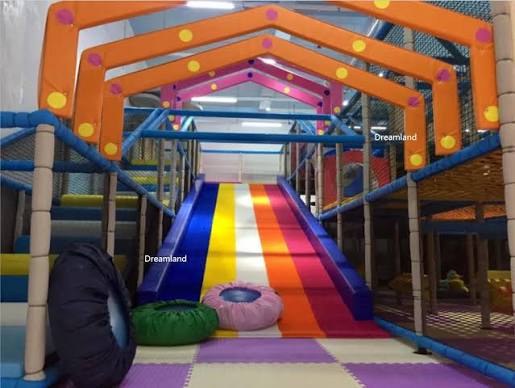
Creating an engaging indoor play area can be an excellent business opportunity for entertainment centers, family recreation facilities, restaurants, shopping commercial indoor playground equipment malls, hotels, and childcare businesses. However, choosing the right commercial indoor playground equipment requires careful planning. Business owners need to consider safety, available space, customer expectations, durability, maintenance, and budget before making an investment.
A well-designed playground can attract families, encourage repeat visits, and create an enjoyable environment for children. This complete guide explains the key factors businesses should consider when selecting indoor playground equipment.
Understand Your Business Needs
The first step is to identify the purpose of your indoor playground. Different businesses may have different goals. A family entertainment center may need a large multi-level play structure, while a restaurant may benefit from a smaller play zone where children can stay entertained while parents enjoy their meals.
Consider your target customers, expected visitor numbers, available floor space, and the type of experience you want to provide. Understanding these factors will help you select equipment that fits your business rather than purchasing features that may not be useful.
It is also important to consider the age groups you want to serve. Equipment designed for toddlers will have different dimensions and safety features than equipment intended for older children. If your business welcomes several age groups, consider creating separate play areas suitable for different developmental levels.
Measure the Available Space
Before purchasing any equipment, measure the installation area carefully. Indoor playground structures come in many sizes and configurations, so knowing the exact dimensions of your space is essential.
Measure the length, width, and ceiling height of the location. Remember to account for entrances, emergency exits, support columns, walls, lighting fixtures, and other permanent structures. There should also be sufficient space around play equipment for children and staff to move safely.
A professional playground manufacturer can often create customized layouts based on your available floor plan. This can be particularly useful for businesses with unusual room shapes or limited space.
Prioritize Safety and Quality
Safety should always be one of the most important considerations when selecting playground equipment. Commercial playgrounds typically receive much heavier use than residential play equipment, meaning the structure needs to be designed for frequent activity.
Look for equipment manufactured with durable materials, secure connections, appropriate padding, and child-friendly surfaces. Sharp edges, exposed hardware, unstable components, and poorly designed access points should be avoided.
Businesses should also review applicable safety standards and regulations in their region. Ask manufacturers about their quality-control procedures, testing practices, installation requirements, and safety certifications.
High-quality equipment may require a larger initial investment, but it can provide greater durability and reduce the likelihood of frequent repairs or replacement.
Choose Equipment That Encourages Active Play
An indoor playground should provide more than entertainment. Good playground designs encourage children to move, explore, climb, balance, crawl, and interact with their surroundings.
Popular equipment options can include climbing structures, slides, tunnels, bridges, ball pits, obstacle courses, interactive games, and themed play elements. Combining different activities can create a more engaging experience and encourage children to spend more time in the facility.
Businesses should aim for a balanced layout rather than filling every available space with equipment. Open areas can help children move between activities while making supervision easier for parents and staff.
Consider the Age Range
Age-appropriate design is essential for both safety and customer satisfaction. Toddlers and younger children require smaller structures, gentle slides, soft play elements, and easy-to-access activities.
Older children may prefer challenging climbing areas, tunnels, obstacle courses, interactive attractions, and higher slides. If your business serves a wide age range, separate zones can help prevent younger children from being overwhelmed by larger equipment.
Clearly defined age areas can also make supervision easier. Parents can quickly identify where their children should play based on their age and abilities.
Think About Theme and Design
A visually attractive playground can become a major feature of your business. Themed playgrounds can create memorable experiences and help businesses differentiate themselves from competitors.
Popular themes may include jungle adventures, castles, outer space, underwater worlds, transportation, sports, or colorful fantasy environments. The theme can be incorporated into slides, climbing structures, walls, flooring, signs, and interactive elements.
Choose a design that complements your business identity. A consistent theme can make the facility more visually appealing and provide opportunities for attractive photographs that customers may share online.
Evaluate Durability and Materials
Commercial playground equipment must withstand continuous use. When comparing different suppliers, ask about the materials used for structural components, flooring, padding, ropes, panels, slides, and other parts.
Durable materials can help equipment maintain its appearance and functionality over time. Pay attention to surfaces that are easy to clean because indoor playgrounds can experience significant foot traffic.
The quality of manufacturing also matters. Strong connections and professionally engineered components can contribute to the long-term performance of the playground.
Consider Cleaning and Maintenance
Maintenance should be part of the purchasing decision from the beginning. An indoor playground needs regular cleaning, inspections, and occasional repairs to remain safe and attractive.
Choose equipment with surfaces that can be cleaned efficiently. Ask the supplier whether replacement components are readily available and whether maintenance instructions are provided.
Businesses should establish a routine inspection schedule. Staff can check for loose components, damaged padding, worn surfaces, broken parts, and other potential problems. Professional inspections may also be appropriate depending on local requirements and the size of the facility.
Compare Manufacturers Carefully
Selecting the right manufacturer is just as important as selecting the equipment itself. Do not make a decision based only on the lowest price.
Research manufacturers and evaluate their experience, product quality, customization options, installation services, warranties, customer support, and previous projects. Ask for product specifications and examples of completed commercial installations.
A reliable supplier should be willing to answer questions about materials, safety, installation, maintenance, and after-sales service. Good communication can make the entire purchasing and installation process easier.
Plan Your Budget
Budgeting involves more than the purchase price of the equipment. Businesses should also consider shipping, installation, flooring, lighting, signage, permits, maintenance, cleaning, and potential future upgrades.
Instead of choosing the cheapest option, consider the total value of the investment. Durable equipment with a longer service life may offer better value than inexpensive equipment that requires frequent repairs.
A well-planned playground can also generate additional revenue through admissions, memberships, birthday parties, private events, food and beverage sales, or other services.
Design for Supervision and Customer Flow
The layout should allow parents and staff to observe children easily. Avoid unnecessary blind spots or crowded areas that make supervision difficult.
Consider how customers will enter, move through, and exit the playground. Reception areas, seating spaces, shoe storage, restrooms, and waiting areas should be positioned logically.
Good customer flow can improve the overall experience and help staff manage busy periods more efficiently.
Make Room for Future Growth
Your playground should be able to adapt as your business grows. If possible, select a modular design that allows additional features or sections to be installed later.
Future expansion can help businesses introduce new attractions without completely rebuilding the facility. It can also provide a way to refresh the play area and encourage existing customers to return.
Final Thoughts
Choosing commercial indoor playground equipment is a major decision that can directly influence the success of an indoor entertainment business. The best equipment combines safety, durability, attractive design, age-appropriate activities, easy maintenance, and efficient use of available space.
Before purchasing, carefully evaluate your business goals, customer demographics, facility dimensions, budget, manufacturer reputation, and long-term maintenance requirements. Working with an experienced playground supplier can also help you develop a customized layout that meets your specific needs.
With thoughtful planning and high-quality equipment, a commercial indoor playground can become an exciting destination for families while providing businesses with an opportunity to build customer loyalty, increase revenue, and create a memorable entertainment experience.