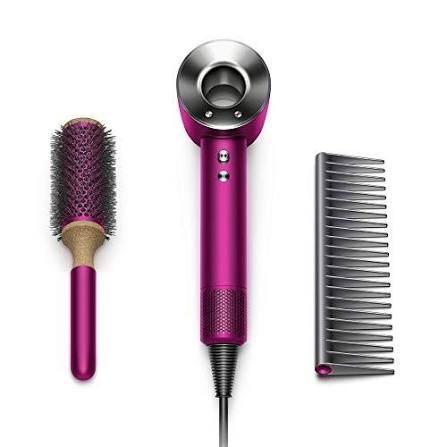
Choosing a hair dryer can make a noticeable difference in your daily hair care routine. While premium styling tools such as Dyson hair dryers attract attention for their modern technology, sleek designs, and advanced dyso hair dryer alternative features, they may not fit every budget. Fortunately, many alternatives offer useful styling functions, adjustable heat settings, and convenient attachments for different hair types. The key is knowing which features matter most before making a purchase.
When shopping for a Dyson hair dryer alternative, it is important to look beyond the brand name and advertised performance. Factors such as airflow, temperature control, hair type compatibility, ease of use, and long-term value should all influence your decision. Understanding these details can help you choose a hair dryer that supports your styling needs without requiring a premium investment.
1. Understand Your Hair Type and Styling Needs
The first step in choosing a suitable hair dryer is understanding your hair type. Different textures and lengths respond differently to airflow, heat, and styling attachments. A dryer that works well for straight hair may not provide the same results for curly, coily, or thick hair.
For fine or delicate hair, look for a dryer with adjustable temperature settings and a gentle airflow option. Excessive heat can contribute to dryness and breakage, so having greater control over the drying process is useful.
People with thick hair may prefer a model that offers strong, consistent airflow to help shorten drying time. For curly or wavy hair, a compatible diffuser can help distribute air more evenly while supporting the natural curl pattern.
Consider your everyday routine as well. If you mainly dry your hair quickly before school or work, a lightweight dryer with straightforward controls may be sufficient. If you regularly create smooth finishes, add volume, or style curls, look for a model with attachments suited to those tasks.
2. Compare Airflow and Drying Performance
Airflow is one of the most important features to evaluate when comparing a Dyson hair dryer alternative with other styling tools. A good dryer should move air efficiently through the hair without requiring unnecessarily high temperatures.
Some models advertise high wattage as a sign of performance. However, wattage alone does not determine how effectively a dryer dries hair. Airflow design, motor efficiency, temperature regulation, and nozzle construction can also affect the overall experience.
Look for product descriptions that explain how the dryer distributes air and whether it offers multiple airflow settings. If possible, read independent reviews that discuss drying performance on different hair textures.
A concentrator nozzle can direct airflow toward a specific section, making it useful for smoother styling. A diffuser spreads airflow over a wider area, which can be helpful for maintaining curls and waves.
The best choice is a dryer that balances effective airflow with manageable heat, allowing you to achieve your preferred style without unnecessary effort.
3. Check Heat Settings and Temperature Control
Temperature control deserves careful consideration when buying any hair dryer. High heat can speed up drying, but frequent exposure to excessive temperatures may leave hair feeling dry, rough, or brittle.
A practical alternative should provide several heat settings so you can adjust the temperature according to your hair’s needs. Lower settings are useful for delicate hair and gentle drying, while moderate heat may work well for everyday styling.
A cool-shot function is another useful feature. It allows you to direct cooler air over your finished style and can help reduce the need for continued heat exposure.
Some advanced models include sensors or electronic systems designed to regulate temperature. These features can be valuable, but their presence should not automatically make a product your first choice. Consider how effectively the controls work, whether the manufacturer explains the technology clearly, and what independent reviews say about performance.
Regardless of which dryer you select, use a suitable heat protectant and avoid holding the nozzle too close to your hair.
4. Evaluate the Available Attachments
Attachments can significantly expand the styling possibilities of a hair dryer. When comparing alternatives, check which accessories are included and whether they suit your preferred hairstyles.
Common attachments include:
- Concentrator nozzle: Directs airflow toward a specific section for more controlled styling.
- Diffuser: Distributes air more broadly to support curls and waves.
- Smoothing attachment: Helps manage flyaways and create a more polished finish, depending on the design.
- Comb attachment: Can assist with stretching and detangling certain hair textures when used appropriately.
Not every user needs a large collection of accessories. If you usually wear your hair naturally, a diffuser may be more valuable than several specialized styling tools. If you prefer blowouts, a concentrator nozzle could be the more practical option.
Also, confirm whether attachments are included in the listed price. Some products appear inexpensive initially but require separate purchases for accessories that you may consider essential.
5. Consider Weight, Comfort, and Noise
A hair dryer should be comfortable to hold, especially if your hair takes a long time to dry. Weight distribution, handle shape, button placement, and cord length can all influence how easy a model is to use.
A lightweight design may reduce arm fatigue during longer styling sessions. However, a compact dryer is not necessarily the most comfortable option for everyone. Check the dimensions and consider whether the controls can be reached easily while holding the device.
Noise is another factor worth investigating. Powerful motors can produce noticeable sound, and the level varies between models. If you frequently dry your hair early in the morning or share your home with others, quieter operation may be an important advantage.
When possible, watch demonstrations or read reviews that specifically discuss weight, grip comfort, and operating noise rather than relying entirely on product photographs.
6. Compare Technology Without Paying for Unnecessary Features
Many modern hair dryers promote advanced technologies such as ionic airflow, high-speed motors, intelligent heat control, and specialized airflow systems. These features may improve convenience or styling performance, but their value depends on your individual needs.
Ionic technology is commonly marketed as a way to help reduce static and improve the appearance of smoothness. Results can vary according to hair texture, condition, and styling technique.
High-speed motors may support strong airflow in a compact design, while temperature sensors can help regulate heat. Nevertheless, marketing claims should be evaluated carefully.
Before paying extra for advanced features, ask yourself whether they address a problem you regularly experience. If your current dryer works adequately and you mainly want faster or more convenient drying, prioritize measurable performance improvements over complicated feature lists.
A well-designed alternative with reliable controls may be more useful than an expensive model loaded with functions you rarely use.
7. Set a Realistic Budget and Compare Overall Value
Price is often one of the main reasons people explore Dyson hair dryer alternatives. Fortunately, the market includes options across several price ranges, from basic everyday dryers to premium multi-function styling devices.
Instead of choosing the cheapest product automatically, compare the features you will actually use against the total cost. Consider the dryer itself, included attachments, warranty coverage, replacement accessories, and expected durability.
A moderately priced model with good temperature control and a suitable diffuser may offer better value than a cheaper dryer that lacks essential features. Similarly, a more expensive alternative may be worthwhile if it combines several tools you would otherwise purchase separately.
Read customer reviews carefully and look for repeated comments about reliability, performance, and customer support. A few negative reviews are not necessarily proof of poor quality, but recurring reports of the same problem deserve attention.
The goal is to find a product that meets your requirements at a price you can comfortably afford.
8. Research Brand Reputation and Warranty Coverage
A hair dryer is an electrical appliance, so reliability and after-sales support should be part of your buying decision. Before purchasing an unfamiliar alternative, research the manufacturer and confirm that the product comes with clear warranty information.
Check the warranty period, what it covers, and how repairs or replacements are handled. It is also worth checking whether customer service is accessible in your country.
Buy from a reputable retailer whenever possible, and be cautious of listings that offer unusually low prices without clear product specifications or return policies.
Safety certifications appropriate to your market, clear operating instructions, and protection against overheating are also worth checking. Ensure that the appliance is compatible with your local voltage and electrical system, especially if you are ordering from another country.
A product with transparent specifications and dependable support can offer greater peace of mind than an unfamiliar model with impressive advertising but limited information.
9. Read Independent Reviews and Compare Real-World Results
Product descriptions can help you understand a hair dryer’s features, but independent reviews often reveal how those features perform in everyday use.
Look for feedback from people with hair textures and styling needs similar to yours. Pay attention to comments about drying time, heat consistency, attachment quality, ease of cleaning, and long-term reliability.
Video demonstrations may also help you understand how the dryer handles different hairstyles. However, remember that lighting, styling products, technique, and editing can affect how results appear.
Compare several sources rather than relying on a single review. If multiple reviewers mention the same strengths or weaknesses, that information may help you make a more informed decision.
It is also useful to check the model number carefully. Different versions of the same product may include different attachments or specifications, so ensure that the reviews match the model you intend to buy.
10. Think About Maintenance and Long-Term Use
Regular maintenance can help keep a hair dryer functioning properly. Before buying, check whether the air filter is accessible and easy to clean. Dust and hair buildup can restrict airflow and affect performance over time.
A removable filter may make cleaning more convenient, while a sturdy cord and well-fitted attachments can contribute to everyday usability. Follow the manufacturer’s maintenance instructions and disconnect the appliance before cleaning it.
Consider how frequently you will use the dryer, where you will store it, and whether its design fits your routine. A foldable handle may be useful for travel, while a longer cord can provide greater flexibility at home.
These practical details may seem minor when comparing specifications, but they can make a significant difference after months of regular use.
Conclusion
Shopping for a Dyson hair dryer alternative becomes easier when you focus on the features that genuinely matter to you. Hair type compatibility, airflow, temperature control, useful attachments, comfort, reliability, and price should guide your comparison.
Advanced technology can be beneficial, but a higher price does not automatically guarantee a better experience for every user. Take time to research independent reviews, compare product specifications, and verify warranty coverage before purchasing.
Ultimately, the right alternative is one that fits your hair care routine, offers dependable performance, and stays within your budget. By evaluating these factors carefully, you can find a hair dryer that makes everyday styling more convenient without paying for features you do not need.