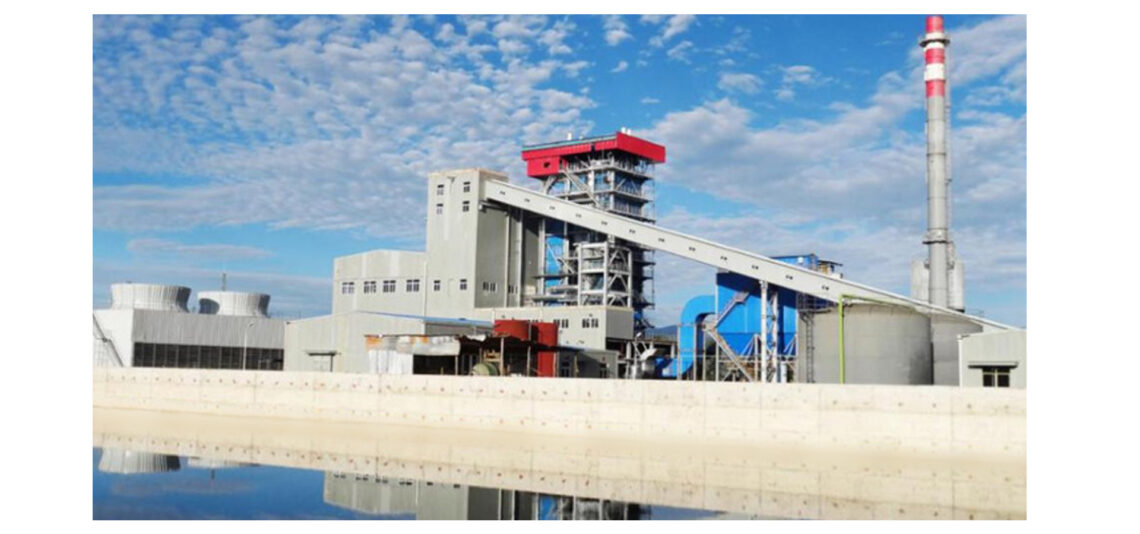
The global energy sector is undergoing a transformative phase as the demand for cleaner, more efficient, and reliable energy systems continues to rise. Aging power plants, many of which were constructed decades ago, struggle to meet modern energy demands and regulatory requirements. This is where modular energy plant retrofits emerge as a vital solution, offering a cost-effective and flexible approach to modernizing existing energy infrastructure without the need for complete plant reconstruction.
Understanding Modular Energy Plant Retrofits
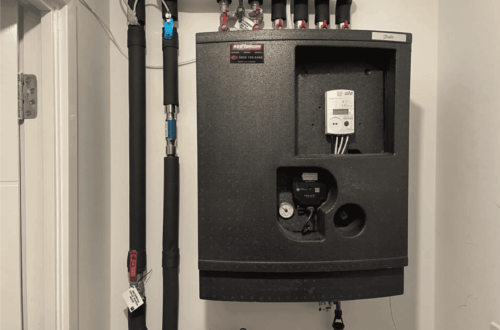
Modular energy plant retrofits involve upgrading or enhancing existing power generation facilities using modular components. Unlike traditional large-scale retrofits that often require extensive downtime and capital investment, modular retrofits allow for incremental upgrades. These modules can include advanced turbines, control systems, emissions reduction technologies, and energy storage solutions, all designed to integrate seamlessly into the current plant framework.
The modular approach ensures that plants can adapt to evolving energy requirements, reduce operational costs, and comply with stricter environmental standards. This adaptability is crucial as the energy landscape shifts toward renewable integration, digitalization, and decarbonization.
Advantages of Modular Retrofits
One of the primary benefits of modular energy plant retrofits is the reduction in downtime. Traditional energy plant overhauls can take months or even years, leading to significant revenue loss. Modular retrofits, however, are designed for phased implementation. Individual modules can be installed while the plant continues to operate, minimizing disruption and maintaining energy supply reliability.
Another advantage is cost efficiency. Rather than investing in an entirely new plant, operators can focus resources on targeted improvements that offer the highest return on investment. Modules can be scaled to meet specific needs, allowing for gradual modernization that aligns with budget constraints. Moreover, modular retrofits often require less space and can be deployed with minimal civil engineering work compared to building a new plant.
Enhancing Efficiency and Sustainability
Efficiency and sustainability are at the core of modern energy initiatives. Modular energy plant retrofits enable the integration of high-efficiency technologies that reduce fuel consumption and emissions. For instance, retrofitting older plants with combined heat and power (CHP) modules or advanced gas turbines can significantly increase energy output while lowering greenhouse gas emissions.
Additionally, modular retrofits support the incorporation of renewable energy sources. Solar, wind, and energy storage systems can be integrated into the existing plant infrastructure through modular components, creating a hybrid system that leverages both conventional and renewable energy. This hybrid approach not only enhances sustainability but also provides energy security by diversifying generation sources.
Flexibility and Scalability
One of the standout features of modular energy plant retrofits is their inherent flexibility. As energy demands fluctuate or regulatory requirements change, modular systems can be adjusted, expanded, or replaced without overhauling the entire plant. This scalability ensures that energy infrastructure remains future-proof, accommodating technological advancements and shifting market needs.
For example, a coal-fired plant undergoing a modular retrofit can initially implement emissions control modules to meet current environmental standards. Later, the plant can integrate renewable energy modules or energy storage units as part of a long-term decarbonization strategy. This stepwise approach reduces risk and allows operators to adopt innovations at a manageable pace.
Digitalization and Smart Plant Integration
Modern energy plants increasingly rely on digital technologies for optimized operations. Modular energy plant retrofits provide a platform for integrating smart monitoring systems, predictive maintenance tools, and advanced control algorithms. These digital modules enhance operational efficiency, minimize unplanned downtime, and allow plant managers to make data-driven decisions.
Smart retrofits also facilitate better grid interaction. With the growing complexity of energy grids, especially those incorporating intermittent renewables, plants equipped with digital modules can respond dynamically to load changes and grid demands. This flexibility improves energy reliability and supports grid stability.
Economic and Environmental Impacts
The economic benefits of modular energy plant retrofits extend beyond reduced capital expenditures and operational costs. By improving plant efficiency, retrofits can lower fuel consumption, reduce maintenance requirements, and extend the operational life of existing infrastructure. These savings can then be reinvested in further modernization efforts or renewable integration projects.
From an environmental perspective, modular retrofits help reduce the carbon footprint of aging power plants. Emissions reduction modules, such as flue gas desulfurization systems or selective catalytic reduction units, can be deployed quickly to meet stringent environmental regulations. Additionally, integrating renewable energy modules contributes to a cleaner energy mix, advancing the transition toward a low-carbon economy.
Case Studies and Industry Adoption
Several energy companies worldwide have successfully implemented modular energy plant retrofits to enhance performance and sustainability. For instance, retrofitting natural gas plants with modular combined cycle units has improved efficiency by up to 15%, while simultaneously reducing emissions. Similarly, coal-fired plants have adopted modular carbon capture and storage technologies to comply with stricter environmental policies without complete plant shutdowns.
Industry adoption of modular retrofits is expected to grow as utilities face increasing pressure to modernize while controlling costs. Governments and regulatory bodies also support these initiatives through incentives and funding programs aimed at improving energy efficiency and reducing emissions.
Challenges and Considerations
Despite the numerous benefits, implementing modular energy plant retrofits comes with challenges. Technical compatibility between new modules and existing systems must be carefully assessed to avoid operational disruptions. Proper planning and engineering are crucial to ensure seamless integration, especially in older plants with legacy systems.
Another consideration is workforce readiness. Plant operators may require training to manage new technologies and digital systems introduced during retrofits. Investing in staff education and change management programs is essential to maximize the benefits of modular upgrades.
The Future of Energy Infrastructure
Modular energy plant retrofits represent a strategic pathway to modernizing energy infrastructure in an era defined by technological innovation and environmental responsibility. By offering flexibility, scalability, and cost efficiency, modular retrofits allow aging plants to meet contemporary energy demands while supporting sustainability goals.
As energy systems continue to evolve, modular retrofits will play a critical role in bridging the gap between legacy infrastructure and next-generation energy solutions. They empower operators to adapt to changing market conditions, incorporate renewables, and comply with environmental regulations—all without the prohibitive costs and downtime associated with traditional plant replacements.
The shift toward modular retrofits is more than just an engineering trend; it is a necessary evolution for a resilient and sustainable energy future.