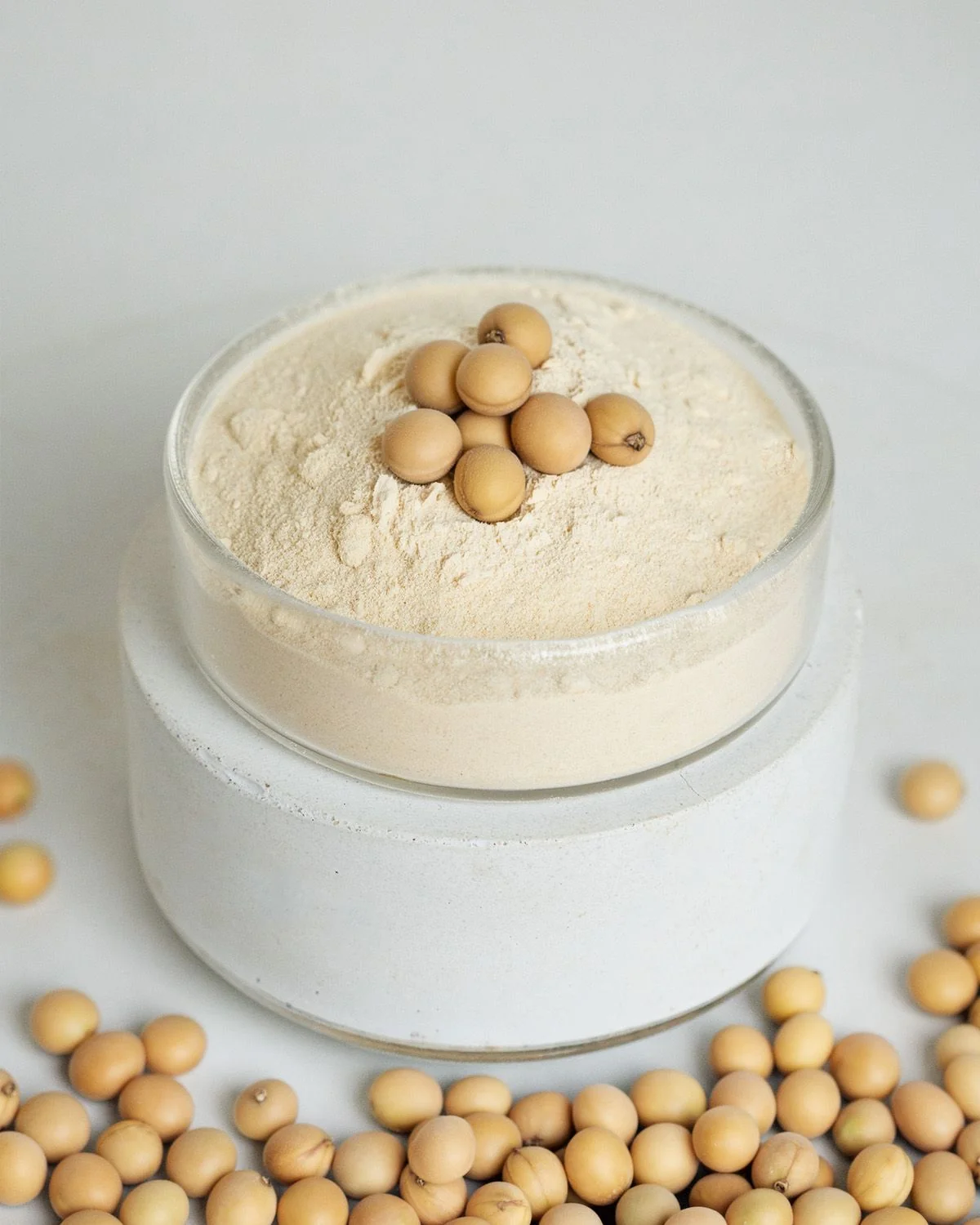
Lecithin powder is a versatile nutritional ingredient that has attracted attention for its potential role in supporting overall wellness. Naturally present in foods such as soybeans, sunflower seeds, egg yolks, and certain animal products, lecithin is a mixture of phospholipids and other lipid compounds. In powdered form, it can be easily incorporated into smoothies, baked goods, beverages, and recipes. Understanding its nutritional profile and possible applications can help people make informed choices about including it in a balanced diet.
What Is Lecithin Powder?
Lecithin is a naturally occurring substance made primarily of phospholipids, which are important components of cell membranes. Commercial lecithin is commonly obtained from soy or sunflower sources, although egg-based varieties are also available. The manufacturing process separates lecithin from its original food source and may produce a powder that is convenient to store and use.
One reason lecithin powder is popular is its functional versatility. Beyond its nutritional characteristics, lecithin acts as an emulsifier, helping oil- and water-based ingredients blend more evenly. This property makes it useful in both food manufacturing and home cooking. The powder may have a mild flavor, allowing it to be added to many foods without significantly changing their taste.
Nutrients Found in Lecithin
The nutritional composition of lecithin can vary depending on its source, processing method, and manufacturer. However, phospholipids are among its most notable components. Phospholipids contain fatty acids and other molecules that contribute to the structure and function of cell membranes.
Lecithin also contains compounds such as phosphatidylcholine, phosphatidylethanolamine, and phosphatidylinositol. Phosphatidylcholine is particularly notable because it contains choline, an essential nutrient involved in several important biological processes.
Choline contributes to normal cellular function and plays a role in producing acetylcholine, a neurotransmitter involved in memory, muscle movement, and other nervous-system functions. The body can produce some choline, but dietary sources remain important.
It is important to recognize that lecithin powder should not automatically be considered a complete multivitamin or a concentrated source of every essential nutrient. Its nutritional value is better understood in terms of its phospholipid composition and specific compounds rather than as a replacement for a varied diet.
Potential Wellness Applications
Interest in lecithin often comes from its possible applications in several areas of wellness. Research has explored phospholipids and choline in relation to brain function, liver health, lipid metabolism, and cellular structure. However, the strength of evidence differs between these areas, and individual studies do not necessarily prove that lecithin supplements produce major health benefits.
One potential application relates to normal cell structure. Phospholipids are fundamental components of cell membranes, helping maintain their structure and functionality. Since lecithin supplies several phospholipid compounds, it may contribute nutrients involved in these normal biological processes.
Lecithin is also sometimes discussed in connection with cardiovascular wellness. Some research has investigated how phospholipids and dietary components may influence cholesterol and lipid metabolism. Nevertheless, people should not view lecithin as a substitute for established approaches to cardiovascular health, such as regular physical activity, a balanced diet, maintaining a healthy weight, and following medical advice when necessary.
Lecithin and Brain Function
Choline is an especially interesting component of lecithin because of its connection with nervous-system function. The body uses choline to produce acetylcholine, which participates in communication between nerve cells and muscles and is involved in memory and other cognitive processes.
Because lecithin can contain phosphatidylcholine, it may contribute to dietary choline intake. However, the amount of choline supplied by a particular product can vary considerably. Anyone specifically seeking choline should examine the nutritional information and ingredient details rather than assuming that all lecithin products provide the same amount.
Although brain health is one reason lecithin receives attention, claims that lecithin dramatically improves memory or cognitive performance should be approached carefully. Nutritional support is most effective when considered as part of an overall healthy lifestyle.
Supporting Healthy Digestion and Food Preparation
Lecithin powder has an important practical application as an emulsifier. Emulsifiers help ingredients that normally separate, such as oil and water, remain mixed. This makes lecithin useful in sauces, dressings, baked foods, protein shakes, and other recipes.
For home cooks and food enthusiasts, lecithin can improve texture and consistency. It may help distribute fats more evenly throughout a mixture, potentially producing smoother foods. Its ability to blend ingredients also explains why lecithin has long been used in commercial food production.
While its emulsifying function is useful for food preparation, this should not be confused with a proven digestive treatment. People experiencing persistent digestive problems should seek appropriate medical evaluation rather than relying on nutritional supplements alone.
Soy and Sunflower Lecithin
The source of lecithin can be important for consumers. Soy lecithin is widely available and has been used in food production for many years. Sunflower lecithin has become increasingly popular, particularly among people who prefer a non-soy option.
Sunflower lecithin is typically produced from sunflower seeds and can be processed without the same concerns some consumers associate with soy ingredients. However, individual products differ, so checking the ingredient label and manufacturer’s information is important.
People with food allergies should pay particular attention to the source and labeling of a lecithin product. Anyone with a diagnosed allergy or significant dietary restriction should consult a qualified healthcare professional when uncertain about an ingredient.
How to Use Lecithin Powder
One advantage of lecithin powder is its flexibility. Depending on the product’s instructions, it may be mixed into smoothies, oatmeal, yogurt, sauces, baked goods, or other foods. Some people prefer incorporating it into recipes rather than taking it by itself.
Following the manufacturer’s serving recommendations is important because products can differ in concentration and composition. More is not necessarily better, and excessive supplementation may cause unwanted digestive effects in some individuals.
When introducing any new supplement, starting conservatively and observing how the body responds can be sensible. People who take medications or have ongoing health concerns should discuss supplementation with a healthcare professional.
Safety and Considerations
Lecithin is generally considered well tolerated when consumed in appropriate amounts, but some individuals may experience digestive symptoms such as bloating, nausea, diarrhea, or abdominal discomfort, particularly at higher intakes.
Product quality is another important consideration. Consumers should look for reputable manufacturers that provide clear ingredient information and appropriate quality-control details. Checking whether the product contains soy, added ingredients, allergens, or other substances can help prevent unwanted exposure.
Pregnant or breastfeeding individuals, children, and people taking medications should obtain professional guidance before using concentrated dietary supplements. Supplements can complement healthy nutrition, but they should not replace medical treatment or a varied eating pattern.
Choosing Lecithin Powder for a Balanced Lifestyle
When evaluating lecithin powder, consider its source, ingredient list, serving size, processing method, and intended use. A simple product may be preferable for someone who wants to add lecithin to recipes, while another formulation may contain additional ingredients for a specific nutritional purpose.
The broader diet also matters. Foods naturally containing phospholipids and choline, including eggs, soy foods, fish, meat, and certain legumes, can contribute to overall nutrient intake. A supplement is best viewed as one possible addition rather than the foundation of a healthy diet.
Final Thoughts
Lecithin powder is a nutrient-containing and highly functional ingredient with applications ranging from food preparation to dietary supplementation. Its phospholipids, including phosphatidylcholine, make it particularly interesting from a nutritional perspective, while its emulsifying properties give it practical value in cooking and food manufacturing.
Potential wellness applications involving cellular health, choline intake, brain function, and lipid metabolism continue to attract interest, although the evidence does not justify treating lecithin as a cure-all supplement. Choosing a quality product, following recommended serving guidance, and maintaining a balanced diet are sensible approaches.
Ultimately, lecithin can be a useful addition to a varied nutritional routine when its role is understood realistically. Rather than expecting a single ingredient to transform health, consumers can consider lecithin powder as one small component of a broader approach that includes nutritious foods, physical activity, adequate sleep, and appropriate healthcare.