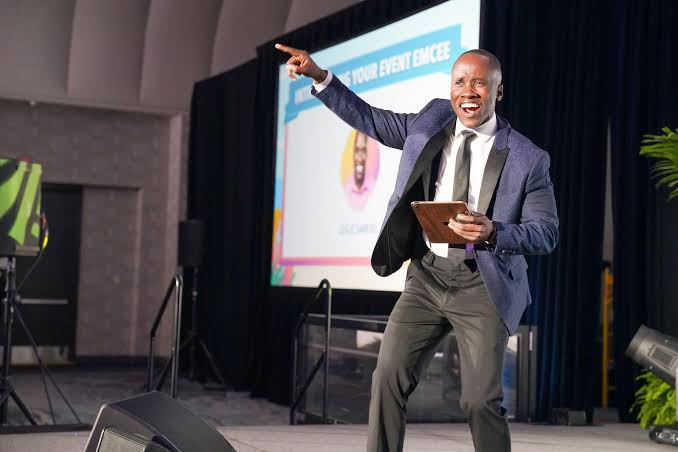
A successful event is more than a well-designed venue, impressive decorations, and a carefully planned schedule. The way an event flows from one moment to another can have a major impact on the overall experience of guests. This is where an event emcee plays an important role. An emcee, also known as a master of ceremonies, serves as the voice and guide of an event, helping audiences understand what is happening while maintaining energy and engagement throughout the program.
Whether it is a corporate conference, wedding, award ceremony, product launch, fundraiser, or private celebration, having a confident and organized host can make the entire occasion feel more professional and enjoyable.
What Is an Event Emcee?
An event emcee is the person responsible for guiding guests through the different parts of an event. They introduce speakers, announce activities, provide important information, interact with the audience, and help maintain the planned schedule.
The emcee often becomes the connection between event organizers, performers, speakers, and guests. Instead of allowing transitions to feel awkward or confusing, the host provides clear communication and keeps everyone aware of what is happening next.
A professional emcee does more than simply read announcements. They understand the atmosphere of the event and adjust their communication style according to the audience.
Why an Emcee Is Important for an Event
Events can involve many moving parts. Speakers may need introductions, performers may require announcements, guests may need instructions, and organizers may need someone to communicate schedule changes. Without a central communicator, the event can sometimes feel disconnected.
An experienced host helps create continuity. They make transitions smoother and give the audience a clear sense of direction.
For example, after a presentation, the emcee can thank the speaker, summarize the next step, and introduce the following activity. This prevents uncomfortable pauses and keeps attention focused on the program.
A good host can also help create a welcoming environment. Their tone, confidence, and communication style can influence how comfortable guests feel throughout the occasion.
Skills Every Successful Emcee Should Have
Strong Communication
Clear communication is one of the most important skills for an emcee. The host needs to speak loudly enough for the audience to hear while maintaining an understandable pace.
Good communication also involves choosing appropriate words. Corporate events may require professional language, while weddings and celebrations may allow a more relaxed and entertaining style.
Confidence on Stage
An emcee is often expected to stand in front of a large audience. Confidence helps them handle introductions, announcements, unexpected situations, and schedule changes without creating unnecessary tension.
Confidence does not mean speaking continuously or dominating the event. Instead, it means remaining calm, prepared, and comfortable while addressing the audience.
Audience Awareness
Every audience is different. A professional host pays attention to the mood and energy of guests and adjusts their approach accordingly.
If an audience is highly engaged, the emcee can encourage participation. If guests seem tired during a long program, the host may use a more energetic transition to regain attention.
Time Management
Keeping an event on schedule is another important responsibility. An emcee should understand the program timeline and communicate with organizers throughout the event.
They can help prevent delays by making concise announcements and preparing speakers or performers for their upcoming segments.
Different Types of Events That Need an Emcee
Corporate Events
Conferences, seminars, company celebrations, award ceremonies, and product launches often benefit from professional hosting. A skilled emcee can introduce executives, welcome attendees, announce presentations, and maintain a professional atmosphere.
Corporate events may contain several speakers and sessions, making smooth transitions particularly important.
Weddings and Celebrations
Weddings require a different hosting style. The emcee may introduce family members, announce special moments, guide guests toward activities, and help maintain the celebration’s energy.
For private celebrations, personality and audience interaction can be especially valuable.
Award Ceremonies
Award events depend heavily on clear introductions and announcements. The host needs to present nominees, introduce winners, and maintain excitement while respecting the importance of each recognition.
A well-prepared emcee can make award presentations feel organized and engaging.
Fundraising Events
Fundraising events often combine entertainment, speeches, presentations, and calls for support. An emcee can connect these different sections while keeping guests informed and engaged.
The host can also help create smooth transitions between entertainment and important messages from organizers.
How an Emcee Prepares for an Event
Preparation begins well before stepping onto the stage. A professional host should study the event schedule and understand the purpose of the occasion.
They should know the names and roles of speakers, performers, organizers, and important guests. Pronouncing names correctly is particularly important because mistakes can create an uncomfortable experience.
The emcee should also understand the audience. Knowing whether guests are employees, customers, families, industry professionals, or community members helps determine the appropriate communication style.
Rehearsing introductions and important announcements can also improve confidence. While an emcee should be prepared, they should avoid sounding overly scripted. A natural delivery usually feels more engaging.
Handling Unexpected Situations
Even carefully planned events can experience unexpected problems. A speaker may arrive late, equipment may stop working, or a presentation may take longer than expected.
An experienced emcee can help manage these situations by remaining calm and communicating with the audience appropriately.
For example, if there is a short technical delay, the host can provide a brief announcement or introduce a simple audience interaction while the technical team resolves the issue.
The goal is not to hide every problem but to prevent small disruptions from becoming major distractions.
Creating Audience Engagement
Audience engagement is another important part of effective hosting. An emcee can ask questions, encourage applause, introduce interactive activities, and create moments where guests feel involved.
However, audience interaction should match the event. Excessive jokes or unnecessary participation can distract from the purpose of a formal occasion.
The best approach is to create interaction that feels natural and supports the event’s objectives.
Choosing the Right Event Emcee
When selecting an emcee, organizers should consider communication skills, experience with similar event formats, professionalism, preparation habits, and personality.
It is also useful to consider whether the host’s style matches the event. A highly energetic personality may be suitable for a celebration, while a corporate conference may require a more polished and structured approach.
Organizers can also discuss the event schedule, audience, expected responsibilities, and preferred tone before making a decision.
The Value of Professional Hosting
A well-organized event requires teamwork. Event planners, technical crews, speakers, performers, and venue staff all contribute to the final experience. The emcee helps connect these different elements through communication.
When the host understands the schedule and works closely with organizers, transitions can become smoother and the audience can remain focused.
Professional hosting can also reduce pressure on event organizers. Instead of repeatedly making announcements themselves, organizers can rely on the emcee to communicate important information to guests.
Conclusion
An event emcee can play a central role in creating a smooth, organized, and engaging event. From introducing speakers and guiding guests to maintaining timing and handling unexpected situations, the emcee helps connect every part of the program.
The most effective hosts combine communication, confidence, preparation, audience awareness, and flexibility. They understand that their job is not simply to speak on stage but to support the entire event experience.
Whether organizing a corporate conference, wedding, award ceremony, fundraiser, or private celebration, choosing a capable emcee can help create clear transitions, stronger audience engagement, and a more memorable occasion.