When a hurricane approaches, one of the biggest challenges households face is the possibility of losing electricity for hours or even days. Strong winds, flooding, fallen trees, and damaged power lines can all contribute to extended outages. While food, water, and emergency supplies are obvious priorities, access to electricity is also essential for communication, safety, and comfort. Understanding the best strategies for keeping essential devices powered during a hurricane can help families stay connected and prepared when the electrical grid goes down.
Why Backup Power Matters During a Hurricane
Hurricanes can create unpredictable conditions that make regular access to electricity difficult. Even after the storm passes, power restoration may take considerable time. During an outage, devices such as smartphones, flashlights, radios, medical equipment, and emergency communication tools can become extremely important.
A reliable backup power strategy ensures that essential electronics remain available when they are needed most. Rather than attempting to power every device in the home, it is smarter to identify the equipment that matters most and prioritize those items.
Essential devices may include mobile phones, laptops, Wi-Fi routers, rechargeable lights, portable fans, radios, medical devices, and small appliances. By focusing on these priorities, households can make better use of limited backup energy.
Create a List of Essential Devices
The first step in keeping essential devices powered during a hurricane is creating a clear list of the electronics that need electricity during an emergency. Every household has different requirements, so the list should reflect individual circumstances.
Start by identifying communication devices. Smartphones are particularly important because they provide access to emergency alerts, weather updates, navigation, and communication with family members. A portable radio can also be useful when internet and cellular services are disrupted.
Next, consider health and safety equipment. Some households may depend on electrically powered medical devices, while others may need rechargeable lighting or fans. These devices should receive priority when planning backup power.
It is also helpful to separate devices into categories. Critical equipment should always be powered first, while convenience items can be used only when sufficient energy is available.
Choose the Right Backup Power Solution
Different backup power options serve different needs. Portable power stations, battery packs, solar generators, and traditional generators each have their own advantages.
Portable power stations are popular because they can provide electricity without producing exhaust fumes. They are particularly useful for charging phones, laptops, lights, and other smaller electronics. Many models can be recharged before a storm and may also support solar charging.
Power banks are another practical solution. A fully charged power bank can keep smartphones and other USB-powered devices operational. Keeping multiple power banks ready can provide an additional layer of protection.
Traditional fuel-powered generators can deliver more electricity and may be capable of running larger appliances. However, they require fuel and must always be operated outdoors in a safe, well-ventilated location. Carbon monoxide poisoning is a serious risk if generators are used indoors or too close to windows and doors.
Calculate Your Power Requirements
Backup power planning becomes much easier when you understand how much energy your devices consume. Check the wattage or power requirements listed on each device or its charger.
For example, smartphones typically require relatively little energy compared with larger appliances. A laptop may require more, while a refrigerator, air conditioner, or electric heater can consume substantially more power.
Once you identify your essential devices, estimate how long each one needs to operate. This helps determine the battery capacity or generator size required for your situation.
It is also useful to avoid wasting stored energy. Unplug devices when they are fully charged, turn off unnecessary features, and use energy-saving modes whenever possible. Reducing consumption can significantly extend the duration of your backup power supply.
Charge Everything Before the Storm
Preparation is one of the most effective ways to maintain access to electricity during an emergency. Once a hurricane warning is issued, charge smartphones, tablets, laptops, power banks, rechargeable flashlights, and other battery-operated devices.
Backup batteries should be fully charged before conditions deteriorate. If you own a portable power station, make sure it is ready for use and that all required charging cables are available.
It is also a good idea to keep spare charging cables in a designated emergency kit. A backup battery is not particularly useful if the correct cable is missing or damaged.
Households should also consider charging devices before the storm becomes severe. Heavy rain and strong winds can create unsafe conditions, so waiting until the last moment may not be practical.
Use Solar Charging as an Additional Option
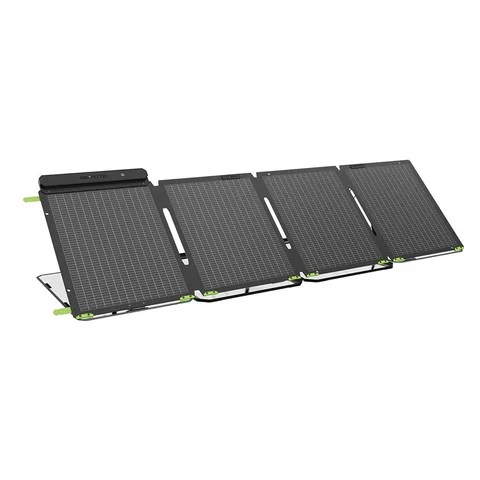
Solar charging can provide an additional source of energy during extended outages. Portable solar panels can recharge compatible power stations and battery systems when sunlight is available.
Solar power is especially useful when fuel supplies are limited or when an outage lasts longer than expected. However, solar charging can be affected by heavy cloud cover, rain, and storm conditions. For that reason, it is best viewed as part of a broader backup strategy rather than the only source of emergency electricity.
A combination of pre-charged batteries and solar charging can provide greater flexibility. Once weather conditions improve, solar panels may help replenish stored energy for continued use.
Prioritize Communication and Safety
During a hurricane, communication should be one of the highest priorities. A charged smartphone can provide access to emergency notifications, weather information, and important contacts.
However, constant phone use can quickly drain a battery. Reduce screen brightness, disable unnecessary background applications, and activate battery-saving modes. Avoid streaming videos or using power-intensive features unless necessary.
Rechargeable flashlights and lanterns should also be prioritized. They provide safer illumination than candles and can help households move around during nighttime outages.
A battery-powered or hand-crank emergency radio can provide valuable information when internet connectivity is unavailable. Keeping communication devices ready helps families respond more effectively to changing conditions.
Protect Backup Equipment From Water
Hurricanes often bring heavy rainfall and flooding, making water protection essential. Backup batteries, power stations, chargers, and generators should be stored in a dry and secure location.
Electronic equipment should never be placed directly on floors where floodwater could reach it. Waterproof storage containers can provide additional protection for smaller devices and accessories.
If a generator is used, it must remain outside and away from doors, windows, and vents. It should also be protected from direct exposure to rain according to the manufacturer’s instructions without restricting ventilation.
Build a Practical Emergency Power Plan
A strong emergency power plan does not necessarily require expensive equipment. The most important factor is matching your backup system to your actual needs.
Begin with small essentials such as smartphones, flashlights, radios, and communication equipment. Add additional capacity based on household requirements. Families with medical equipment or other critical electrical needs should plan carefully and consult appropriate professionals about reliable backup solutions.
Keeping an inventory of power banks, cables, batteries, and charging equipment can also prevent confusion during an outage. Store everything together so that important accessories can be found quickly.
Conclusion
Preparing for an electrical outage before a hurricane arrives can make a significant difference in household safety and comfort. By identifying essential devices, choosing appropriate backup power equipment, charging batteries in advance, protecting electronics from water, and managing energy carefully, families can improve their emergency readiness.
The key to keeping essential devices powered during a hurricane is not simply having more power available. It is about using available energy strategically, prioritizing critical equipment, and preparing before the storm creates difficult conditions. A thoughtful backup power plan can help households maintain communication, access important information, and operate essential devices until normal electricity service is restored.