Digital marketing has transformed how businesses connect with audiences, creating opportunities that traditional marketing could never achieve. Understanding what is digital marketing is essential for anyone aiming to grow their brand online. From search engines to social media, digital marketing encompasses a variety of strategies designed to attract, engage, and convert potential customers. For modern businesses, mastering these strategies is no longer optional, it’s a competitive necessity. This guide explores the key elements of digital marketing, actionable strategies for success, and insights to help brands thrive in an increasingly digital-first world.
What is Digital Marketing and Why it Matters
Digital marketing is the practice of promoting products or services using digital channels. Unlike traditional marketing, it leverages technology and online platforms to reach target audiences more efficiently and measurably. Businesses can use analytics tools to track performance, optimize campaigns, and increase return on investment.
Key reasons digital marketing matters in 2025:
- Global Reach: Connect with audiences anywhere in the world instantly.
- Cost-Effective Strategies: Achieve better results without massive advertising budgets.
- Measurable Results: Track engagement, conversions, and ROI in real time.
- Personalization: Deliver tailored messages that resonate with individual users.
Understanding these advantages is critical for brands seeking sustainable growth.
Core Components of Digital Marketing
Digital marketing is not a single tactic but a combination of strategies that work together to build visibility and trust online. The Core Components of Digital Marketing include:
1. Search Engine Optimization (SEO)
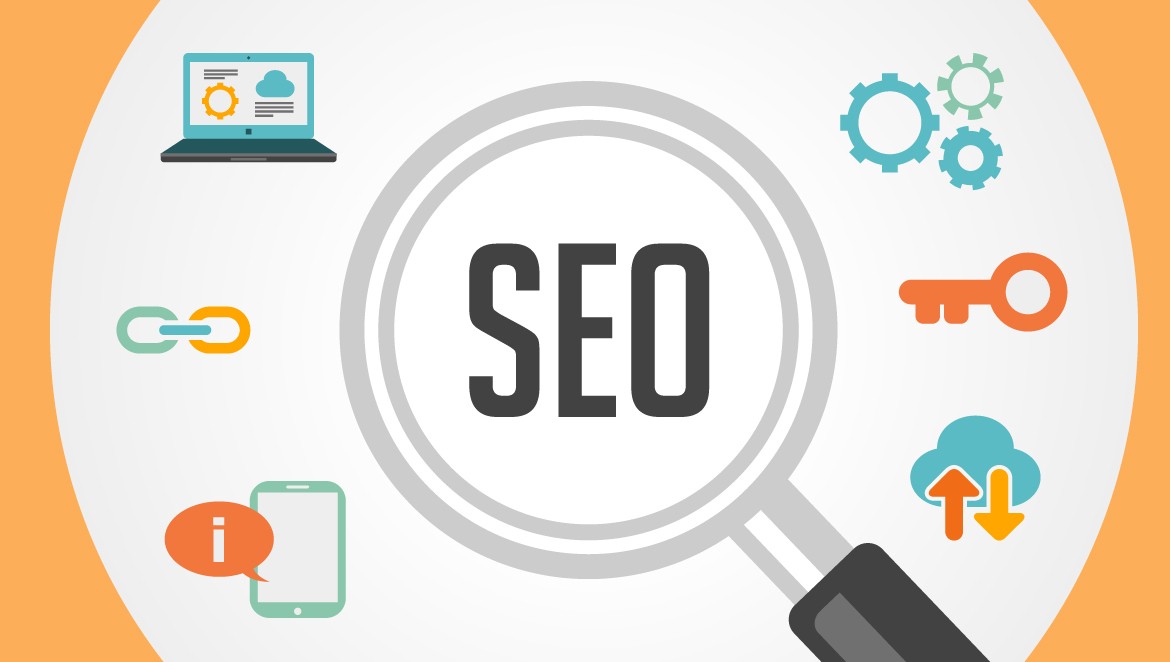
SEO improves a website’s visibility on search engines. Optimizing content for target keywords, meta descriptions, and user experience ensures potential customers can discover a brand organically. Semantic keywords, internal linking, and high-quality backlinks are crucial for 2025 SEO strategies.
2. Content Marketing
High-value content attracts and engages audiences while establishing authority. Blogs, videos, infographics, and guides help educate potential customers and build credibility. Content marketing also strengthens SEO performance by increasing dwell time and search visibility.
3. Social Media Marketing
Platforms like Instagram, LinkedIn, TikTok, and Facebook provide opportunities for engagement and brand storytelling. Social media campaigns allow businesses to connect with audiences, share updates, and generate leads through interactive content and paid advertising.
4. Email Marketing
Email remains one of the highest ROI digital marketing channels. Segmented campaigns and automated workflows enable businesses to nurture leads, promote offers, and maintain relationships with customers effectively.
5. Paid Advertising (PPC)
Pay-per-click campaigns on Google Ads, social media, or programmatic networks drive targeted traffic to websites. Paid ads complement organic strategies and deliver measurable results quickly.
6. Analytics and Data Tracking
Every digital marketing effort requires tracking. Tools like Google Analytics and social media insights provide actionable data for optimization, ensuring campaigns stay aligned with business goals.
Common Digital Marketing Strategies for Businesses
Successful digital marketing requires a blend of strategy, creativity, and technical execution. Here are proven strategies:
- Keyword Research and Optimization: Identify high-value keywords to target audiences actively searching for solutions.
- Content Personalization: Tailor messaging to user behavior and preferences to increase engagement.
- Omnichannel Marketing: Maintain a consistent presence across search engines, social platforms, and email.
- Influencer Partnerships: Leverage trusted voices to amplify brand messaging and credibility.
- Conversion Rate Optimization: Test landing pages, calls-to-action, and design elements to maximize conversions.
Each tactic contributes to building a digital presence that attracts and retains customers effectively.
Trends Shaping Digital Marketing in 2025
Digital marketing evolves rapidly, and staying ahead of trends is essential. Key trends include:
1. Artificial Intelligence and Automation
AI tools streamline marketing tasks, such as content creation, chatbots, and predictive analytics. Automation allows businesses to deliver personalized experiences at scale.
2. Voice and Visual Search
Consumers increasingly use voice assistants and visual searches. Optimizing for these technologies improves discoverability and relevance.
3. Interactive Content
Quizzes, polls, and augmented reality experiences increase engagement and keep users invested in the brand.
4. Short-Form Video Marketing
Platforms like TikTok and Instagram Reels prioritize short, engaging videos. Brands leveraging storytelling in under a minute see higher engagement and shareability.
5. Privacy-First Marketing
Data privacy regulations emphasize transparency and user consent. Brands that prioritize ethical data collection and personalization will build stronger trust.
How to Measure Digital Marketing Success
Measuring performance ensures strategies are effective and budgets are allocated wisely. Key metrics include:
- Website Traffic and Sources: Identify which channels drive the most visitors.
- Conversion Rate: Track the percentage of visitors completing desired actions.
- Engagement Metrics: Monitor likes, shares, comments, and time on page.
- Customer Acquisition Cost (CAC): Measure how much it costs to gain a new customer.
- Return on Investment (ROI): Assess overall profitability of campaigns.
Regular evaluation allows marketers to refine campaigns, maximize results, and maintain competitive advantage.
Actionable Tips for Beginners
Starting with digital marketing can feel overwhelming, but focusing on foundational practices ensures steady growth:
- Start with a Clear Goal: Define objectives like increasing website traffic, generating leads, or building brand awareness.
- Focus on Your Audience: Understand demographics, behaviors, and pain points to create relevant content.
- Leverage Multiple Channels: Experiment with social media, email, and SEO for a diversified approach.
- Create High-Quality Content: Prioritize value over volume; helpful content attracts more engagement.
- Monitor and Adjust: Track performance regularly and tweak strategies based on insights.
Even small, consistent improvements can lead to significant growth over time.
The Future of Digital Marketing
The landscape of digital marketing continues to evolve as technology advances and consumer expectations shift. Businesses embracing innovation, personalized experiences, and ethical marketing practices will thrive. Combining creativity with data-driven decisions allows brands to build long-term relationships and a strong online presence.
In 2025, understanding what is digital marketing goes beyond knowing tactics, it requires a strategic mindset that integrates technology, analytics, and storytelling. Brands investing in learning and adapting will not only stay competitive but also become leaders in their industries.
Conclusion
Understanding what is digital marketing is essential in an online-first world. Digital marketing is a multifaceted strategy designed to grow businesses. By knowing what is digital marketing, implementing effective strategies, and staying ahead of emerging trends, businesses can increase visibility, engage audiences, and drive conversions.
Brands ready to take digital marketing seriously can gain a measurable advantage, connecting with customers in meaningful ways that traditional methods cannot achieve. The right approach ensures long-term growth, customer loyalty, and a competitive edge in the ever-evolving digital landscape.
Explore advanced strategies and tools to boost online growth. Visit Atomic Social to learn how digital marketing can transform visibility and engagement for your business today.