Maintaining a nutritious diet is often perceived as expensive, but with careful planning and smart choices, eating healthily can be affordable. Prioritizing wholesome foods does not have to strain your wallet, and small adjustments can lead to significant improvements in your overall well-being. In this article, we explore practical strategies for healthy eating on a budget while focusing on long-term benefits for your ಆರೋಗ್ಯ.
Understanding the Basics of Healthy Eating
Healthy eating involves consuming a balanced variety of foods that provide essential nutrients, including proteins, carbohydrates, healthy fats, vitamins, and minerals. Incorporating fruits, vegetables, whole grains, lean proteins, and dairy or dairy alternatives ensures your body receives the nutrients it needs for energy, immunity, and overall health. Maintaining proper ಆಹಾರ habits is not only about selecting nutritious foods but also about mindful eating, portion control, and limiting highly processed foods, sugary drinks, and excessive salt.
Planning Your Meals
Meal planning is one of the most effective ways to save money while maintaining good ಆಹಾರ. Begin by listing your weekly meals and snacks, considering seasonal ingredients that are typically more affordable. Preparing a shopping list based on your plan helps avoid impulse purchases and food waste. Buying in bulk for items such as rice, lentils, oats, and frozen vegetables reduces cost per serving and allows you to store essentials for longer periods. Planning meals also helps you control portion sizes and ensures that each meal contributes positively to your ಆರೋಗ್ಯ.
Shopping Smart
Smart shopping is key to eating healthily without overspending. Visiting local markets, farmers’ stalls, or discount grocery stores can often provide fresher produce at lower prices than large supermarkets. Seasonal fruits and vegetables are more economical and nutritious. Comparing prices, reading labels, and taking advantage of promotions or discounts can further reduce expenses. Generic or store-brand products are usually just as nutritious as branded items but cost significantly less. Buying frozen vegetables and fruits is also a budget-friendly option since they retain most of their nutritional value and can be stored for longer periods.
Emphasizing Whole Foods
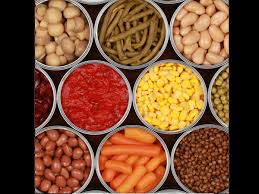
Whole foods such as grains, legumes, vegetables, and fruits are typically less expensive and more nutritious than processed foods. Pulses, beans, and lentils are excellent sources of protein that are affordable and versatile for various recipes. Brown rice, whole wheat, and oats provide sustained energy and fiber, contributing to digestive health and overall well-being. By prioritizing whole foods, you reduce reliance on packaged, ready-to-eat meals that can be costly and low in nutritional value, ultimately supporting your ಆರೋಗ್ಯ over time.
Cooking at Home
Home-cooked meals are almost always cheaper and healthier than eating out. Cooking at home allows you to control ingredients, reduce unhealthy fats, and incorporate more fruits and vegetables into your diet. Simple cooking techniques like steaming, grilling, roasting, and stir-frying preserve nutrients while minimizing the use of oil and salt. Batch cooking is an effective strategy for busy individuals; preparing meals in advance not only saves time but also ensures you have nutritious options ready, avoiding the temptation of unhealthy fast food.
Budget-Friendly Protein Sources
Protein is a vital component of a balanced diet, and there are many affordable options beyond meat. Eggs, beans, lentils, chickpeas, tofu, and peanut butter provide high-quality protein at a fraction of the cost of meat or seafood. Including plant-based proteins in your meals can significantly reduce your grocery bill while contributing to your overall ಆರೋಗ್ಯ. Rotating protein sources and combining grains with legumes, such as rice and lentils, ensures you obtain all essential amino acids without relying on expensive animal products.
Minimizing Food Waste
Reducing food waste is both economical and environmentally responsible. Using leftovers creatively, such as turning extra vegetables into soups or stir-fries, prevents unnecessary waste. Proper food storage techniques, including refrigerating perishable items promptly and using airtight containers, extend shelf life. Understanding expiration dates and learning to freeze or preserve foods can save money while ensuring you always have nutritious options available, supporting consistent healthy eating habits.
Affordable Healthy Snacks
Healthy snacking does not have to be expensive. Preparing snacks at home, such as fruit salads, roasted chickpeas, yogurt with nuts, or homemade granola bars, is cost-effective and nutritious. Avoiding packaged snacks and sugary treats reduces both expenses and empty calorie consumption. By keeping affordable, wholesome snacks on hand, you can maintain energy throughout the day and make healthier choices aligned with your ಆರೋಗ್ಯ goals.
Hydration and Beverages
Drinks often add hidden costs and calories to your diet. Instead of purchasing sugary drinks, energy drinks, or coffee shop beverages, drinking water, herbal teas, and homemade smoothies is both economical and beneficial for your ಆರೋಗ್ಯ. Investing in a reusable water bottle and making infused water with fruits or herbs can make hydration enjoyable without the added expense. Reducing consumption of bottled beverages also promotes sustainability alongside cost savings.
Utilizing Community Resources
Many communities offer resources to support affordable healthy eating. Local co-ops, community gardens, and food banks can provide access to fresh produce and staples at reduced prices. Nutrition workshops and cooking classes may offer tips for budget-friendly meal preparation. Leveraging these resources can help stretch your grocery budget while enhancing your knowledge and skills for maintaining nutritious habits.
Mindful Eating and Portion Control
Healthy eating on a budget is not only about what you buy but also how you consume it. Practicing mindful eating, such as paying attention to hunger cues, eating slowly, and savoring each bite, can prevent overeating and reduce food waste. Controlling portion sizes ensures that meals are satisfying without being excessive, which helps maintain a healthy weight and preserves financial resources. Developing a mindful approach supports sustainable eating patterns, positively impacting your ಆರೋಗ್ಯ.
Balancing Cost with Nutrition
Eating healthily on a budget requires balancing cost with nutritional value. While inexpensive, heavily processed foods may be tempting, they often lack essential nutrients. Prioritize nutrient-dense foods that provide vitamins, minerals, and energy while remaining affordable. Planning meals around staples like grains, legumes, and seasonal produce, supplemented by occasional treats, ensures that your diet remains enjoyable, satisfying, and supportive of long-term ಆರೋಗ್ಯ.
Embracing Simplicity and Creativity
Healthy eating on a budget encourages creativity in the kitchen. Simple meals can be delicious when using fresh herbs, spices, and natural flavors. Experimenting with new recipes and ingredients can transform inexpensive staples into exciting dishes. Embracing simplicity reduces reliance on costly convenience foods and allows you to enjoy a varied diet without financial strain, all while promoting positive effects on your ಆರೋಗ್ಯ.
Long-Term Benefits
Investing time and effort into healthy eating on a budget has long-term benefits. By consuming nutrient-rich meals regularly, you reduce the risk of chronic diseases, improve energy levels, and support mental and physical well-being. Learning to manage grocery expenses, plan meals, and cook creatively instills lifelong skills that contribute to both financial and physical health. Prioritizing wholesome foods while being mindful of cost ensures that your commitment to healthy living is sustainable and rewarding.
Conclusion
Eating healthily on a budget is entirely achievable with planning, smart shopping, and mindful cooking. By focusing on whole foods, affordable protein sources, proper meal preparation, and reducing food waste, you can maintain a nutritious diet without overspending. Affordable, creative, and balanced meal strategies not only support your physical well-being but also promote your long-term ಆರೋಗ್ಯ. With conscious choices and practical strategies, healthy eating can become a sustainable and enjoyable part of everyday life, benefiting both your body and your finances.