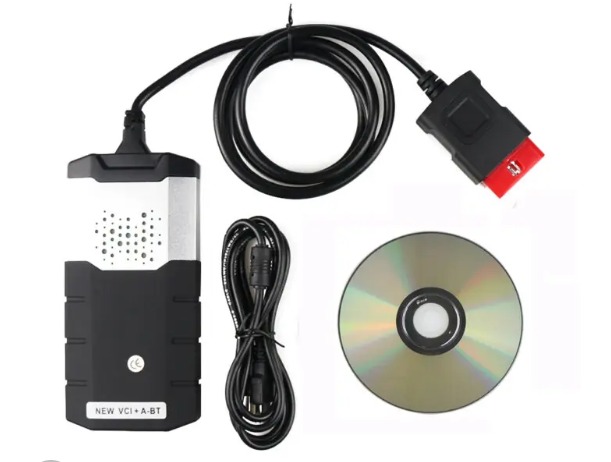
When it comes to automotive diagnostics, having the right tool can make all the difference. Among the many options available, the DS150E Delphi has gained popularity for its versatility and reliability. In this article, we will compare the DS150E Delphi with other diagnostic tools, highlighting its features, advantages, and considerations to help you make an informed choice.
Understanding the DS150E Delphi Diagnostic Tool
The DS150E Delphi is a professional-grade diagnostic tool used for scanning and troubleshooting various car systems. It supports multiple vehicle brands and models, offering both OBD1 and OBD2 diagnostics. One of its key strengths is its wide coverage of electronic systems, including engine, transmission, ABS, airbags, and more.
The tool comes with an easy-to-use interface and connects to a PC via USB, allowing technicians to run diagnostics, clear fault codes, and view real-time data. It also provides advanced functions like actuator tests, ECU programming, and live graphing of sensor data, making it a versatile choice for automotive professionals and serious DIY enthusiasts alike.
Key Features of DS150E Delphi
Before comparing it with other tools, it is important to understand what the DS150E Delphi brings to the table:
- Comprehensive Vehicle Coverage: Supports multiple car brands, including European, Asian, and American vehicles.
- Advanced Diagnostics: Can read and clear fault codes, perform system tests, and monitor live data streams.
- User-Friendly Interface: PC-based software with a graphical interface simplifies operation and data interpretation.
- Cost-Effective: Provides many features found in high-end diagnostic tools but at a lower price point.
- Regular Updates: Delphi provides software updates, ensuring compatibility with newer vehicle models.
Comparing DS150E Delphi with Generic OBD2 Scanners
Generic OBD2 scanners are widely available and typically cost much less than professional tools like the DS150E Delphi. They are suitable for basic diagnostics, such as reading and clearing engine codes. However, they have several limitations compared to Delphi:
- Limited Coverage: Most generic OBD2 scanners only support basic engine diagnostics and cannot access ABS, airbags, or transmission systems.
- No Advanced Features: Functions like ECU programming, actuator testing, and live sensor graphing are usually missing.
- Lower Reliability: Generic scanners may not communicate effectively with all vehicle models, leading to incomplete or inaccurate diagnostics.
In contrast, the DS150E Delphi provides comprehensive diagnostics across multiple vehicle systems, making it more suitable for professional use or serious DIY enthusiasts who want in-depth vehicle analysis.
Comparing DS150E Delphi with Autel Diagnostic Tools
Autel is another popular brand in automotive diagnostics, offering tools like the Autel MaxiCOM series. Comparing DS150E Delphi with Autel tools highlights some important differences:
- User Interface: Autel devices often come as standalone tablets with touchscreens, whereas DS150E Delphi is PC-based. Some users prefer the PC interface for detailed analysis, while others favor the portability of Autel devices.
- Vehicle Coverage: Both tools provide wide vehicle coverage, but Delphi often includes legacy vehicles that newer Autel models may not support.
- Software Updates: Autel generally offers frequent updates with new vehicle models and features, similar to Delphi, but update processes differ. Delphi updates require connecting to a PC, while Autel updates are usually done directly via Wi-Fi.
- Cost Considerations: DS150E Delphi is typically more budget-friendly compared to high-end Autel models, making it a preferred choice for users who want professional functionality at a lower cost.
Comparing DS150E Delphi with Launch Diagnostic Tools
Launch is another well-known diagnostic tool brand, offering products like X431 series. Comparing DS150E Delphi with Launch tools provides insights into which tool fits specific needs:
- Functionality: Both DS150E Delphi and Launch tools offer extensive vehicle system coverage, including engine, transmission, ABS, and airbag systems. However, Launch devices often provide additional cloud-based services and advanced programming options.
- Ease of Use: Launch devices often feature standalone touchscreen tablets, while DS150E Delphi requires a PC. Some users find the PC interface more detailed for data logging, while the tablet interface of Launch tools is more portable for workshop use.
- Pricing: Launch devices tend to be more expensive, especially models with advanced coding and programming capabilities. DS150E Delphi remains a cost-effective choice without compromising core diagnostic features.
- Compatibility: DS150E Delphi excels in supporting older vehicle models, whereas Launch tools may focus more on modern vehicles and software-heavy cars.
Advantages of Using DS150E Delphi
Using the DS150E Delphi over other diagnostic tools provides several advantages:
- Wide Vehicle Support: Covers both old and new vehicles, making it versatile for workshops dealing with different car brands.
- Cost-Effective Solution: Offers many professional-grade functions without the high price tag of premium tools.
- Comprehensive Diagnostics: Enables access to multiple vehicle systems, providing in-depth troubleshooting capabilities.
- PC-Based Interface: Offers detailed views of live data, graphical analysis, and fault history, which can be critical for precise diagnostics.
- Regular Software Updates: Keeps the tool compatible with newer car models and systems.
Limitations to Consider
While DS150E Delphi is highly capable, there are some limitations to be aware of:
- PC Dependency: The tool requires a computer to operate, which can be less convenient than standalone tablet devices.
- Learning Curve: Beginners may find the software interface slightly complex initially compared to simple OBD2 scanners.
- Speed: Some advanced functions may take longer to execute compared to more modern tablet-based devices with faster processing.
Conclusion: Is DS150E Delphi the Right Choice?
The DS150E Delphi stands out as a professional, reliable, and cost-effective diagnostic tool. Compared to generic OBD2 scanners, it offers significantly more advanced features and vehicle coverage. Against other professional tools like Autel and Launch, it remains competitive due to its affordability and extensive support for both old and new vehicles.
For workshops, automotive technicians, and serious DIY car enthusiasts, the DS150E Delphi provides an ideal balance between functionality, cost, and reliability. Its PC-based interface, wide diagnostic coverage, and regular software updates make it a tool that can serve for years, keeping up with evolving automotive technologies.
Choosing the right diagnostic tool ultimately depends on your needs, budget, and preference for portability versus PC-based interfaces. If you require a tool with extensive system coverage, cost-effectiveness, and long-term reliability, the DS150E Delphi is a strong contender in the automotive diagnostic market.