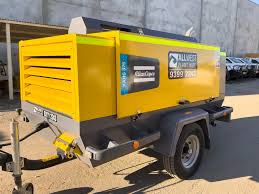
Diesel air compressors are widely used in construction, mining, and industrial applications because of their power and mobility. However, one of the biggest challenges operators face is managing fuel consumption. Optimizing diesel air compressor fuel efficiency not only reduces operational costs but also minimizes environmental impact. In this article, we explore practical strategies to maximize fuel efficiency while maintaining performance.
Understanding Diesel Air Compressor Fuel Efficiency
Fuel efficiency in diesel air compressors refers to the amount of energy or air output generated per unit of diesel fuel consumed. Unlike electric compressors, diesel models rely on combustion engines, meaning their fuel consumption directly affects running costs. Inefficient fuel usage leads to higher expenses and more frequent refueling, which can slow down projects. By understanding the factors that influence diesel air compressor fuel efficiency, operators can take actionable steps to improve performance and reduce waste.
Factors Affecting Fuel Efficiency
Several elements contribute to the fuel efficiency of a diesel air compressor:
Engine Size and Type
The size of the engine and its design significantly impact fuel consumption. Larger engines may produce more air output but can be less efficient at lower workloads. Choosing a compressor with an engine that matches your typical usage ensures optimal diesel air compressor fuel efficiency.
Load Demand
Diesel compressors are most efficient when operating near their rated load. Running the compressor under low or fluctuating loads can increase fuel consumption per unit of air delivered. Monitoring the load and adjusting operation schedules can improve overall fuel efficiency.
Maintenance and Condition
A well-maintained compressor runs smoother and consumes less fuel. Dirty air filters, worn-out injectors, or low-quality oil can reduce engine efficiency, leading to higher diesel consumption. Regular maintenance is crucial for sustaining diesel air compressor fuel efficiency.
Ambient Conditions
Temperature and altitude can also affect fuel efficiency. Compressors working in high-temperature environments or at high altitudes may consume more fuel due to increased engine stress. Adjustments in operation and maintenance routines can mitigate these effects.
Tips to Improve Diesel Air Compressor Fuel Efficiency
Maximizing diesel air compressor fuel efficiency requires a combination of operational strategies and technical improvements. Here are key methods to cut costs and boost performance.
Optimize Load Management
Operate the compressor close to its optimal load range. Avoid idling for extended periods, and consider using load-sensing technology if available. Load-sensing compressors adjust engine speed according to demand, reducing unnecessary fuel consumption.
Regular Maintenance
Consistent maintenance is essential. Replace air and fuel filters on schedule, ensure proper lubrication, and inspect hoses and fittings for leaks. A clean and properly tuned engine consumes less fuel and delivers consistent performance.
Monitor Fuel Consumption
Track fuel usage against air output to identify inefficiencies. Using fuel meters or monitoring software can help pinpoint when and where fuel is being wasted, allowing for targeted improvements in operation.
Upgrade to Modern Engines
Newer diesel engines are designed with fuel efficiency in mind. High-pressure common-rail fuel injection, turbocharging, and electronic engine management systems improve diesel air compressor fuel efficiency without sacrificing power.
Proper Sizing of Equipment
Selecting a compressor that matches your air demand is critical. Oversized compressors waste fuel when operating at partial load, while undersized units may run constantly at full capacity, reducing efficiency and increasing wear. Accurate assessment of air requirements ensures fuel-efficient operation.
Reduce Idle Time
Idling consumes fuel without producing useful air. Train operators to switch off the compressor when not in use or use compressors with automatic shutdown features. Reducing idle time can significantly enhance diesel air compressor fuel efficiency.
Optimize Air Distribution System
Leaking hoses, valves, and fittings force the compressor to work harder, consuming more fuel. Inspect and repair leaks, and maintain proper pipe sizing and layout to minimize pressure drops. Efficient air distribution supports lower fuel consumption.
Use Quality Diesel Fuel
Low-quality diesel or contaminated fuel can reduce combustion efficiency and increase engine wear. Using high-grade diesel improves engine performance and contributes to better diesel air compressor fuel efficiency.
Implement Energy Recovery Solutions
Some industrial setups can capture waste heat from the compressor engine for other uses, such as water heating or process heat. This doesn’t directly reduce fuel use for air compression but enhances overall energy efficiency.
Monitoring and Reporting
To sustain improvements in diesel air compressor fuel efficiency, monitoring is key. Establish a system to record fuel usage, operating hours, air output, and maintenance activities. Regular reporting allows management to identify trends, detect inefficiencies early, and plan preventive maintenance.
Benefits of Improving Diesel Air Compressor Fuel Efficiency
Investing time and effort in optimizing fuel efficiency offers multiple benefits:
- Cost Savings: Lower fuel consumption directly reduces operating expenses, which is particularly impactful for large-scale operations.
- Extended Equipment Life: Efficient operation reduces engine stress and wear, prolonging the lifespan of the compressor.
- Environmental Impact: Reduced diesel consumption lowers greenhouse gas emissions, contributing to sustainability goals.
- Enhanced Productivity: Well-maintained, fuel-efficient compressors operate reliably, reducing downtime and ensuring consistent air supply.
Common Mistakes to Avoid
Even with the best intentions, operators sometimes undermine diesel air compressor fuel efficiency through avoidable errors:
- Running oversized compressors for small jobs
- Neglecting routine maintenance
- Ignoring load monitoring and fuel tracking
- Using low-quality fuel or lubricants
- Allowing prolonged idling
By addressing these mistakes, operators can significantly improve performance while keeping fuel costs under control.
Conclusion
Optimizing diesel air compressor fuel efficiency is a strategic approach that balances cost management with operational performance. From selecting the right engine and maintaining equipment to monitoring load and reducing idle time, every action contributes to lower fuel consumption and higher productivity. With the right practices in place, businesses can cut costs, reduce environmental impact, and maximize the lifespan of their diesel air compressors, ensuring a more efficient and sustainable operation.