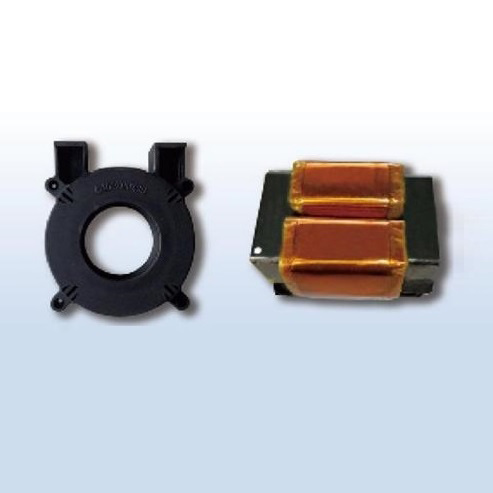
Creating reliable electrical systems requires careful attention to the design of every component, and one of the most critical parts in modern power electronics is the high-frequency transformer core for inverter power supply. This component plays a vital role in ensuring efficient energy conversion, maintaining system stability, and extending the lifespan of electrical devices. As inverter technology continues to advance, selecting the right high-frequency transformer core has become more important than ever for engineers and manufacturers aiming for high performance and reliability.
Importance of High-Frequency Transformer Core in Inverter Systems
The high-frequency transformer core for inverter power supply is central to the operation of inverters, which convert DC to AC electricity. Unlike traditional low-frequency transformers, high-frequency transformer cores allow for compact designs, lower losses, and improved efficiency. This is essential for applications where space is limited, such as renewable energy systems, industrial machinery, and consumer electronics. The core material, geometry, and manufacturing quality directly impact the performance of the entire inverter, making the choice of a reliable transformer core a critical design decision.
High-frequency operation reduces the size of magnetic components significantly. A smaller core not only saves space but also reduces the weight of the inverter system. This is particularly beneficial for mobile or aerospace applications where every gram matters. However, operating at high frequencies also introduces challenges such as increased eddy current losses and potential overheating, which makes the quality and design of the high-frequency transformer core even more crucial.
Material Selection and Core Technology
The performance of a high-frequency transformer core for inverter power supply depends heavily on the materials used in its construction. Advanced materials such as ferrites, nanocrystalline alloys, and amorphous metals offer low core losses and high saturation flux density, making them ideal for high-frequency applications. Ferrite cores, for instance, are widely used because of their excellent magnetic properties and ability to minimize eddy current losses at high frequencies.
Nanocrystalline cores are gaining popularity for high-end inverter designs because they provide superior efficiency and thermal stability. These cores reduce energy losses and enhance overall system performance, making them suitable for applications where efficiency is a top priority. By selecting the appropriate material, designers can optimize the high-frequency transformer core to meet specific voltage, current, and thermal requirements of the inverter system.
Optimizing Core Geometry for Performance
The geometry of the high-frequency transformer core for inverter power supply plays a significant role in its efficiency and reliability. Ring-shaped cores, E-cores, and planar cores are common designs, each with unique advantages. Ring-shaped cores offer uniform magnetic flux distribution, reducing hot spots and ensuring stable operation under varying load conditions. E-cores provide ease of winding and excellent mechanical stability, while planar cores allow for low-profile designs with reduced leakage inductance.
Proper core geometry minimizes magnetic losses and improves thermal management. Designers must carefully balance the number of turns, core cross-sectional area, and winding techniques to achieve the desired electrical characteristics. Advanced simulation tools help in predicting flux distribution, saturation, and losses, allowing engineers to optimize core design before production. This ensures that the high-frequency transformer core performs reliably across a wide range of operating conditions.
Thermal Management and Reliability
High-frequency transformer cores for inverter power supply generate heat due to magnetic and eddy current losses. Effective thermal management is essential to maintain reliability and prevent premature failure. Strategies such as forced air cooling, heat sinks, and thermal vias in PCB-mounted planar transformers can dissipate heat efficiently. Additionally, selecting core materials with high thermal conductivity and low loss characteristics reduces temperature rise during operation.
Reliability also depends on minimizing mechanical stresses and vibration within the transformer core. Proper clamping, bonding, and encapsulation prevent core movement that could lead to acoustic noise, insulation breakdown, or short circuits. By addressing both thermal and mechanical factors, designers ensure that the high-frequency transformer core remains stable and effective over long periods of continuous operation.
Applications and Advantages in Modern Inverters
High-frequency transformer cores are fundamental in a wide range of inverter power supply applications. In solar photovoltaic systems, they convert DC from solar panels into AC suitable for the grid or home consumption, maximizing energy efficiency. In uninterruptible power supplies (UPS) and industrial drives, these cores ensure stable voltage conversion and protection against electrical disturbances.
The use of a high-frequency transformer core for inverter power supply offers several advantages. Reduced size and weight allow for compact and portable systems. Improved efficiency lowers energy consumption and heat generation, while high reliability reduces maintenance requirements and system downtime. These benefits are crucial in demanding applications where continuous, efficient, and safe operation is necessary.
Design Considerations for Long-Term Performance
When designing inverter systems, engineers must consider factors such as voltage rating, frequency range, load conditions, and thermal constraints. Selecting a high-frequency transformer core for inverter power supply that matches these specifications is critical to prevent overloading or saturation. Proper insulation, precise winding techniques, and careful material selection contribute to long-term performance and minimize failure risks.
Lifecycle testing, including thermal cycling, load variation, and fault conditions, helps validate the reliability of the transformer core in real-world scenarios. By thoroughly analyzing performance data, engineers can make informed decisions about core selection, winding configuration, and system integration, ensuring that the inverter operates safely and efficiently for years.
Conclusion
Designing reliable inverter systems requires a deep understanding of the high-frequency transformer core for inverter power supply. From material selection and core geometry to thermal management and mechanical stability, each design choice affects performance, efficiency, and longevity. By focusing on high-quality cores, optimized designs, and rigorous testing, manufacturers and engineers can deliver inverter systems that meet modern demands for energy efficiency, compactness, and reliability.
In an era where efficient power conversion is crucial across industries, the high-frequency transformer core remains a cornerstone of inverter design, driving innovation and enabling reliable, high-performance electrical systems.
This comprehensive approach ensures that both industrial and consumer applications benefit from stable, efficient, and long-lasting inverter solutions.