Introduction
The entertainment industry has changed significantly with the growth of the internet, social media, and live-streaming platforms. In the past, people primarily watched television programs, movies, and scheduled broadcasts for entertainment. Today, online streamers have become an important part of everyday digital life. Millions casino hot wallets of viewers watch live gaming sessions, reaction videos, lifestyle content, educational broadcasts, and interactive discussions created by streamers around the world.
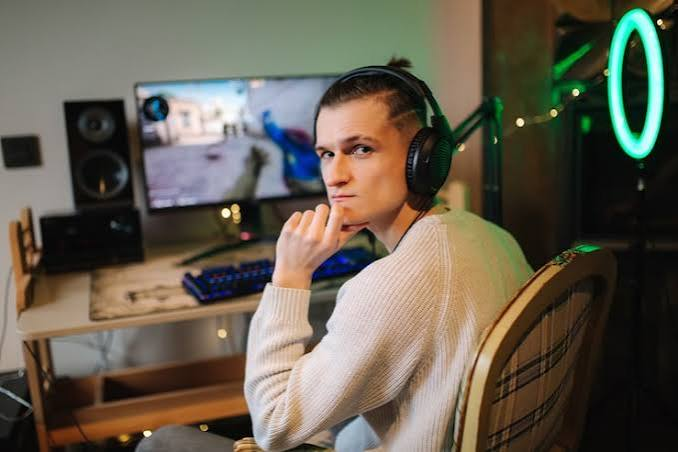
Online streamers are content creators who entertain audiences through live broadcasts or recorded videos on platforms such as YouTube, Twitch, and other social media services. Their popularity comes from their ability to communicate directly with viewers, share personal experiences, and build communities around shared interests. As streaming continues to develop, it is changing how people discover content, spend their free time, interact with creators, and understand modern entertainment.
The Rise of Online Streaming Platforms
The growth of online streaming platforms has made entertainment more accessible than ever before. People no longer need to wait for television schedules or depend entirely on traditional media companies to find something interesting to watch. With an internet connection and a compatible device, viewers can explore thousands of channels and select content that matches their interests.
Streaming platforms offer a wide variety of entertainment options. Gaming streamers demonstrate their skills, comedians create humorous broadcasts, musicians perform live, and lifestyle creators share their daily activities. This diversity allows audiences to discover content that might not receive attention through traditional television.
Another important factor behind streaming’s popularity is convenience. Viewers can watch content on smartphones, computers, tablets, or smart televisions. Many platforms also provide recordings and short clips, allowing people to enjoy entertainment whenever it suits their schedules. This flexibility has helped online streaming become a regular part of modern entertainment habits.
A Shift From Traditional Television to Digital Content
Online streamers have contributed to a major shift in how audiences consume entertainment. Traditional television generally follows fixed schedules, while streaming platforms allow viewers to choose what they want to watch and when they want to watch it.
Younger audiences, in particular, may prefer creators who offer informal conversations, humorous commentary, gaming challenges, and relatable experiences. Instead of watching a professionally produced program, viewers can follow a streamer who shares their interests and communicates in a more personal style.
This shift has also encouraged traditional entertainment companies to adapt. Television networks, sports organizations, musicians, and film studios increasingly use digital platforms to reach audiences. Some established celebrities even launch their own streaming channels to connect with fans outside conventional media.
However, traditional entertainment has not disappeared. Movies, television series, and professionally produced programs remain popular. Rather, modern audiences increasingly combine different formats, moving between streaming broadcasts, films, short videos, podcasts, and television according to their preferences.
Interactive Entertainment and Audience Participation
One of the biggest differences between online streaming and traditional entertainment is audience participation. In conventional television, viewers generally watch without directly influencing the program. Live streaming creates opportunities for immediate communication between creators and their audiences.
Viewers can post comments, ask questions, participate in polls, and react to events as they happen. Streamers may respond to individual messages, discuss audience suggestions, or adjust their content based on viewer feedback. This interaction makes entertainment feel more collaborative.
For example, a gaming streamer might allow viewers to suggest challenges during a live session. A musician could answer questions between performances, while an educational creator might explain a topic requested by the audience. These experiences encourage viewers to become active participants rather than passive observers.
Such interaction can also create a sense of belonging. Regular viewers often recognize familiar usernames and participate in conversations with other community members. This social dimension helps explain why many people return to the same channels repeatedly.
The Influence of Streamers on Popular Culture
Online streamers have become influential figures in modern popular culture. Their opinions, reactions, expressions, and creative trends can spread rapidly across digital platforms. A single live broadcast may generate clips that reach millions of additional viewers through short-form video services and social media.
Streamers can influence music discovery, gaming preferences, fashion choices, technology interests, and everyday conversations. When a popular creator recommends a game or introduces an emerging artist, viewers may become interested in exploring that content themselves.
Their influence also extends to language and online behavior. Catchphrases, memes, challenges, and humorous expressions introduced during streams can become widely recognized across internet communities. This demonstrates how streaming contributes to the development of contemporary digital culture.
Nevertheless, audiences should understand that streamers have individual opinions and commercial interests. A recommendation does not automatically mean a product or service is suitable for everyone. Viewers benefit from considering independent reviews and reliable information before making decisions based on a creator’s influence.
The Growth of Online Entertainment Communities
Online streaming has transformed entertainment into a social experience for many people. Communities often form around particular creators, games, hobbies, or cultural interests. These communities can connect individuals from different countries who might never meet in person.
Fans exchange ideas, share creative work, discuss broadcasts, and celebrate important moments together. For people interested in less common hobbies, streaming communities can provide opportunities to find others with similar interests.
International streaming communities also introduce viewers to different languages, traditions, humor, and perspectives. Watching creators from other regions can broaden cultural awareness and encourage curiosity about unfamiliar experiences.
However, online communities require responsible moderation. Harassment, offensive comments, misinformation, and conflicts can negatively affect participants. Streamers and platform operators play an important role in establishing community rules that encourage respectful interaction.
Economic Opportunities for Content Creators
The popularity of online streamers has created new opportunities within the entertainment industry. Individuals can build audiences around their talents without necessarily working for a traditional television network or production company.
Depending on the platform and eligibility requirements, creators may earn income through advertising, subscriptions, donations, sponsorships, merchandise, and paid partnerships. These revenue sources have helped streaming develop into a professional career for some individuals.
The industry also supports related occupations, including video editing, graphic design, moderation, marketing, audio production, and community management. As channels grow, creators may hire teams to improve the quality and consistency of their content.
Despite these opportunities, streaming is not a guaranteed source of income. Competition is considerable, audience growth can be unpredictable, and platform policies may change. Successful creators often need patience, creativity, technical skills, and an understanding of their audience.
For viewers, recognizing the business side of streaming is equally important. Sponsored content and paid promotions can influence what creators discuss. Clear disclosure helps audiences distinguish personal opinions from advertising.
Challenges of Changing Entertainment Habits
Although online streaming offers many benefits, it also presents challenges. One concern is excessive screen time. Since broadcasts can continue for hours and new content is always available, viewers may find it difficult to stop watching when they intended to do so.
Spending too much time online can interfere with sleep, schoolwork, exercise, family activities, and face-to-face relationships. Maintaining a balanced routine is therefore essential. Setting reasonable viewing limits and taking regular breaks can help people enjoy digital entertainment without allowing it to dominate their schedules.
Another concern is the quality of information shared during live broadcasts. Because streaming happens in real time, creators may communicate unverified claims or make mistakes before checking the facts. Viewers should evaluate important information carefully and consult trustworthy sources when necessary.
Privacy is also important. Audiences should avoid sharing personal information in public chats, while streamers need to consider the risks of revealing private details during live broadcasts. Responsible digital behavior helps create a safer entertainment environment.
The Future of Online Streaming
The future of online streaming is likely to involve further improvements in technology, personalization, and audience interaction. Better internet connectivity, improved broadcasting tools, and more accessible production software may enable additional creators to reach global audiences.
Artificial intelligence may also influence content recommendations, automated captions, moderation systems, and editing processes. These tools could make streaming more accessible to people who speak different languages or have different accessibility needs.
At the same time, audiences may increasingly expect authenticity, consistent quality, and meaningful interaction from creators. Streamers who respect their communities and communicate transparently may be better positioned to build lasting relationships with viewers.
The industry will also need to address concerns about privacy, misinformation, advertising transparency, and healthy viewing habits. Balancing innovation with responsibility will help streaming remain an enjoyable and valuable part of modern entertainment.
Conclusion
Online streamers have significantly influenced modern entertainment habits by making content more accessible, interactive, diverse, and community-oriented. They have changed how audiences discover popular culture, communicate with creators, and participate in digital entertainment. Their growing influence has also created new professional opportunities and encouraged traditional media organizations to explore new ways of reaching viewers.
However, the benefits of streaming are greatest when audiences approach it responsibly. Managing screen time, protecting personal information, evaluating recommendations, and maintaining offline relationships are important parts of a balanced digital lifestyle.
Ultimately, online streamers represent more than a new form of entertainment. They reflect a broader transformation in how people connect, share experiences, and participate in global culture. As technology continues to evolve, streaming will likely remain an influential force in shaping the future of entertainment.
